
Roman Rybiansky
London-based designer. Focused on what's essential, no features or decoration that don't earn their place. Less, done well, is always more.
London-based designer. Focused on what's essential, no features or decoration that don't earn their place. Less, done well, is always more.
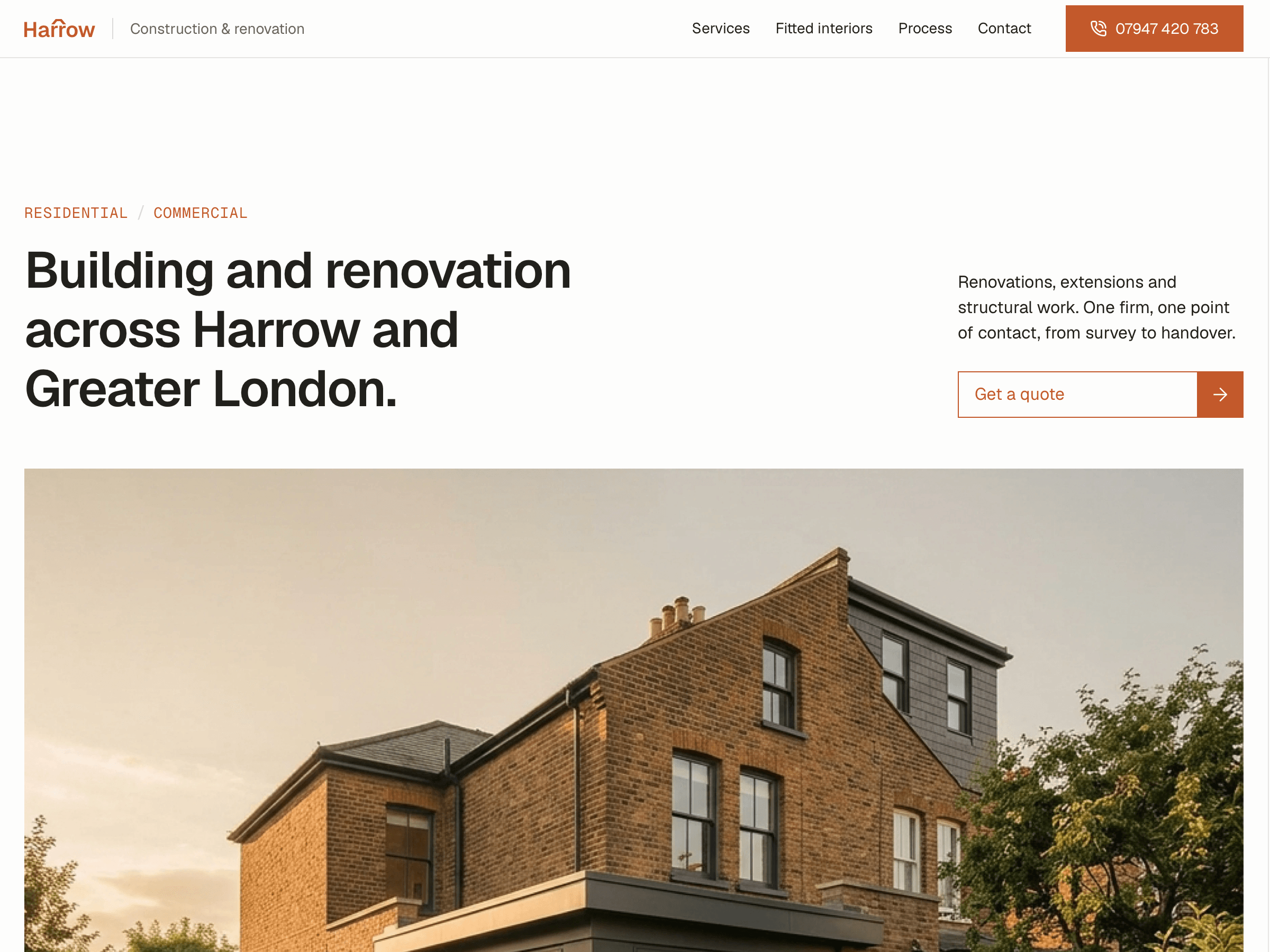
New website for London-based construction company serving homeowners and businesses across Harrow and North West London.
This is F-ing awesome, Thank you @Framer.
PS: thank you @Juan Peces for letting us know, well for those who doesn't have x/twitter whatever
Well done, @Framer team! The recent Marketplace updates are really good, glad to see some movement and improvements in right direction happening. 😄
Still not entirely sure how you’re choosing the “best” ones hehe, but this definitely feels like a step in the right direction. And thank you for finally sticking to one aspect ratio for all thumbnails! 🙌 hehe
Lucky to be the design guy in a room full of people this smart. I handle the pixels, they handle the universe. hehe
I keep thinking about the direction of the @Framer marketplace and I say this because I want Framer to succeed and stay synonymous with great design.
Framer has fundamentally changed the marketplace's character.
The old one felt like an Apple Store: not perfect but curated and trusted. Today it feels more like an open street market (not the good one), anyone can put something on the table and sell it.
That's not bad in itself. Opening the gates is great for creators. But it raises a bigger question: who is the Marketplace actually for? Designers who want to publish and monetise, customers who just want something good or both?
And if customers are part of the equation, how do they know what to trust? A designer can judge good work. A small business owner who just needs a website can't. They may buy something off a nice thumbnail, only to find it isn't very good.
Also, the complexity of choice: too many vs. too few.
The old review process wasn't perfect, but it gave one valuable thing: a quality signal. If that gate is gone, what replaces it? Reviews? Creator reputation? Verified creators? Editorial curation? Some signals exist but they're buried instead of helping customers decide.
So maybe the answer isn't bringing the gate back. Maybe Framer needs a trusted layer above the open marketplace, something maybe inspired by Awwwards, Minimal Gallery, One Page Love (you have the man now, @Rob Hope). A genuinely curated Framer "Space" to discover great work. Not a static Featured section but something always changing: new discoveries, rising work, editor's picks, hidden gems.
The Marketplace stays open, anyone can sell. The Space stays selective, not everything gets editorial attention. Freedom for creators, confidence for customers.
Framer's opportunity isn't the biggest street market for templates. It's to be the place where people think: "If it's here, it's worth your time."
So: if you're removing the gates, what are you building to replace the trust they provided?
A small collection of design books that permanently live on my desk.
Some are from designers I admire, others are books I keep coming back to when I need to learn, rethink something or simply remind myself what good design looks like.
A note to the @Framer team
I want to start by saying how much I admire the entire @Framer team. You've built a tool that allows designers to bring their ideas to life.
I still remember when Framer first launched as a prototyping tool. It was around the same time I started my career as a UI/UX designer at a startup. A fellow developer and I were deciding which prototyping tool to use. Long story short, we didn't choose Framer 😊. But we did attend one of your London events and I still remember the beer, the cold pizza and the excitement in the room. Looking at where Framer is today, it's incredible how far you've come. What a pivot. Huge credit to @Jorn van Dijk, @Koen Bok and the entire team. It's one of those rare business stories that's as inspiring as it is impressive.
For years, I've come to Framer for inspiration, to see what talented designers were creating and to learn from the community. From the very beginning, you've built something that feels genuinely special. The community has always been one of Framer's greatest strengths.
That's why it makes me a little (not so little) sad to see it becoming flooded with fake accounts and AI-generated spam (nothing against AI, by the way).
My only ask is this: please find a way to keep Framer synonymous with quality and genuinely creative work. I have no doubt this is already on your radar, and I'm optimistic we'll see improvements soon.
I genuinely want Framer to remain a place where originality, craftsmanship and thoughtful design are rewarded. It deserves that.
P.S. I just hope I don't wake up one day to find out Framer has been acquired by Adobe. 😄
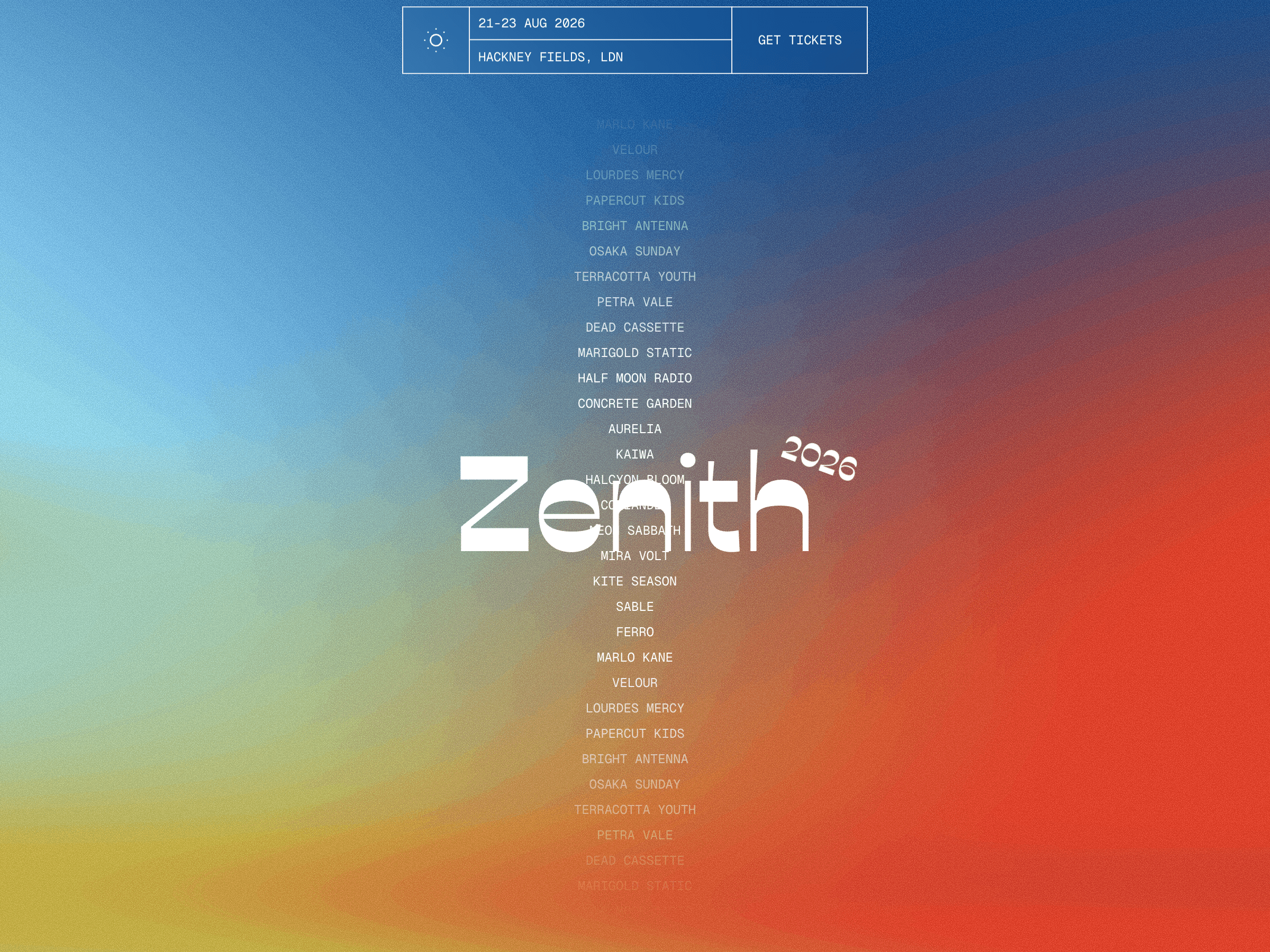
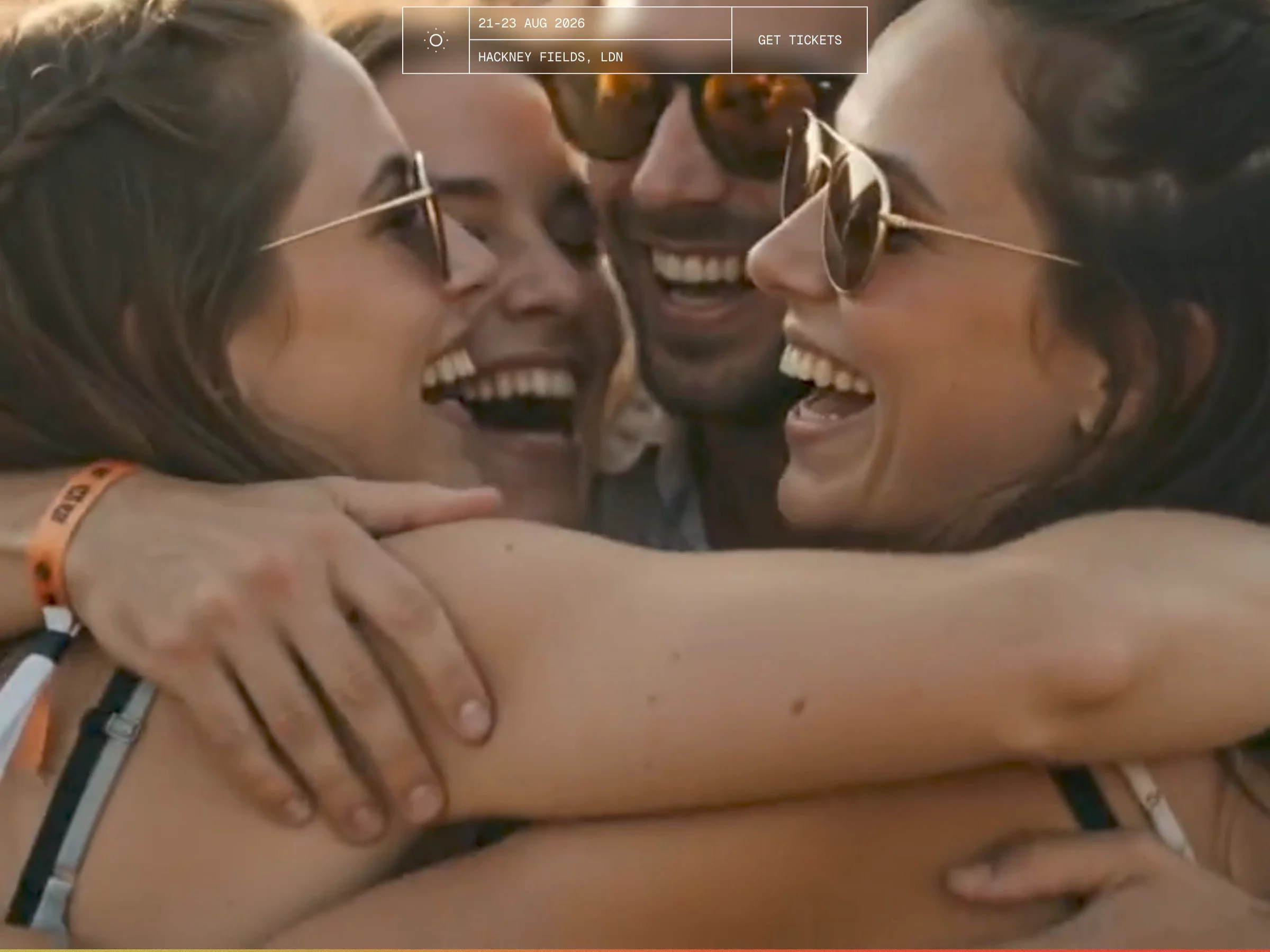
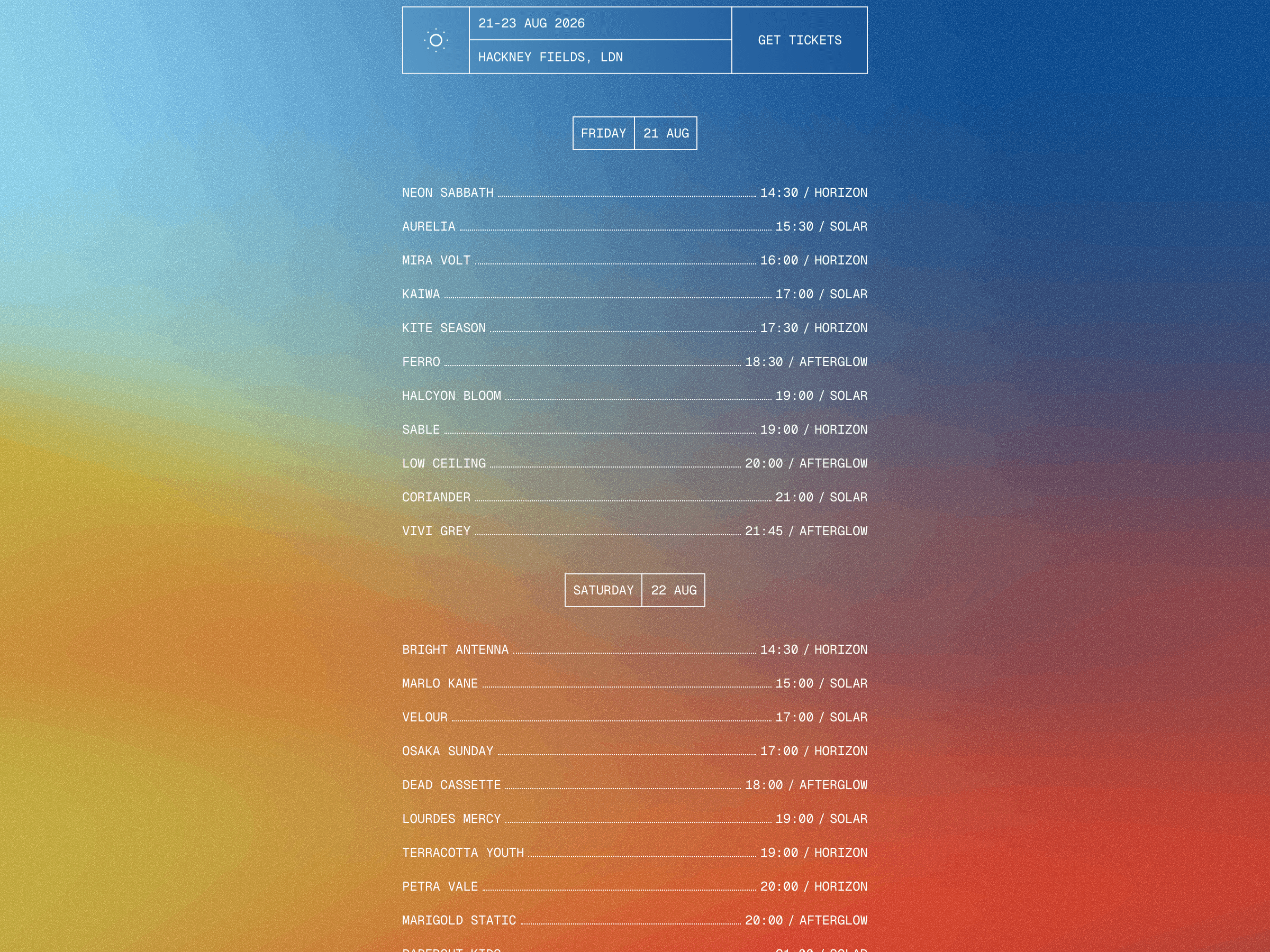
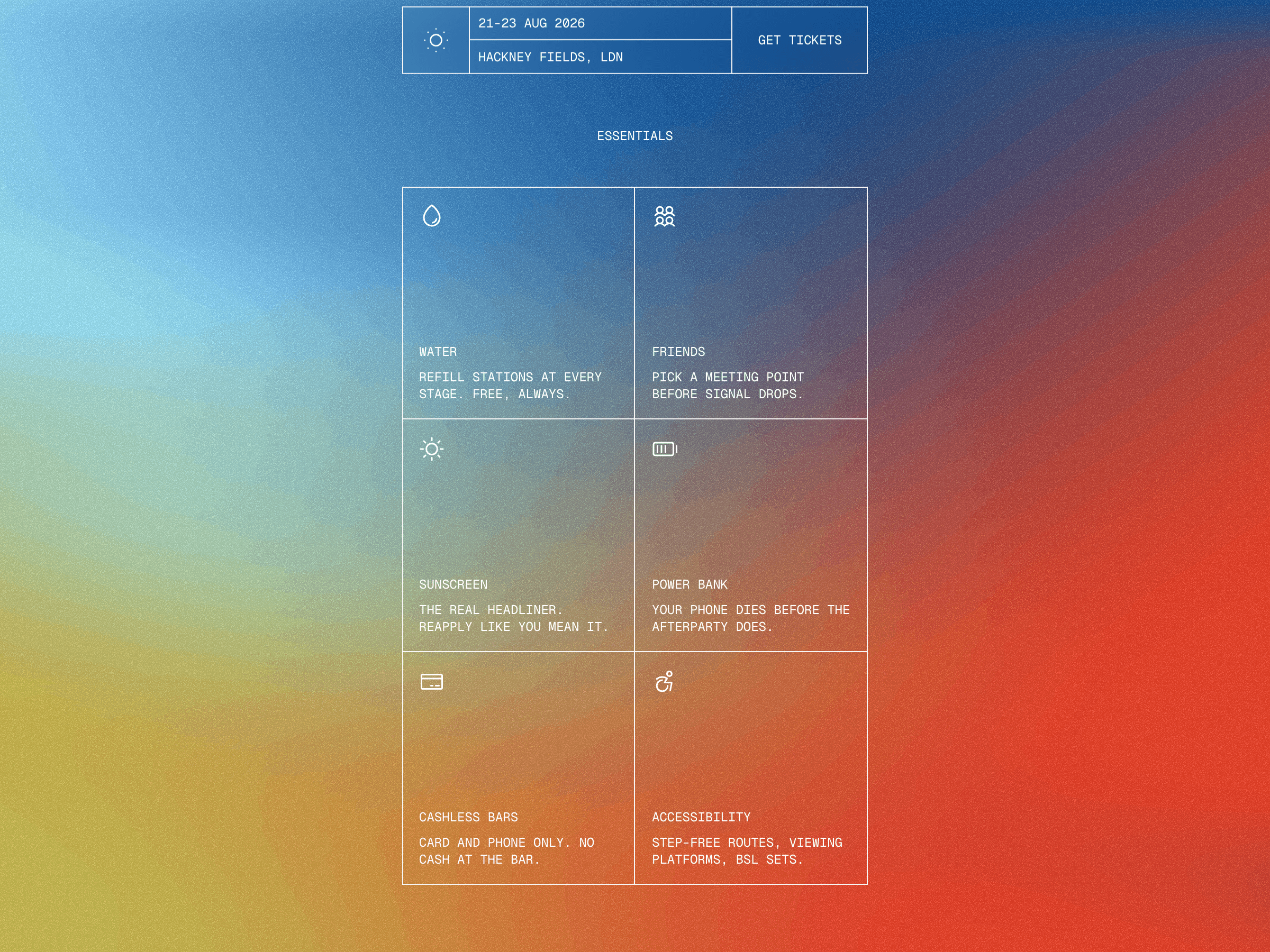
Made a thing this weekend: a one-page hype template for festivals and club nights.
Had way too much fun with the shader that mimics a sky in hot summer day. Everything else is dead simple but built on a solid grid with proper typography: lineup, schedule, a fun essentials section, done. No ticketing, no bloat, just an eye-catching page a promoter can build in an afternoon.
Free as always 😁
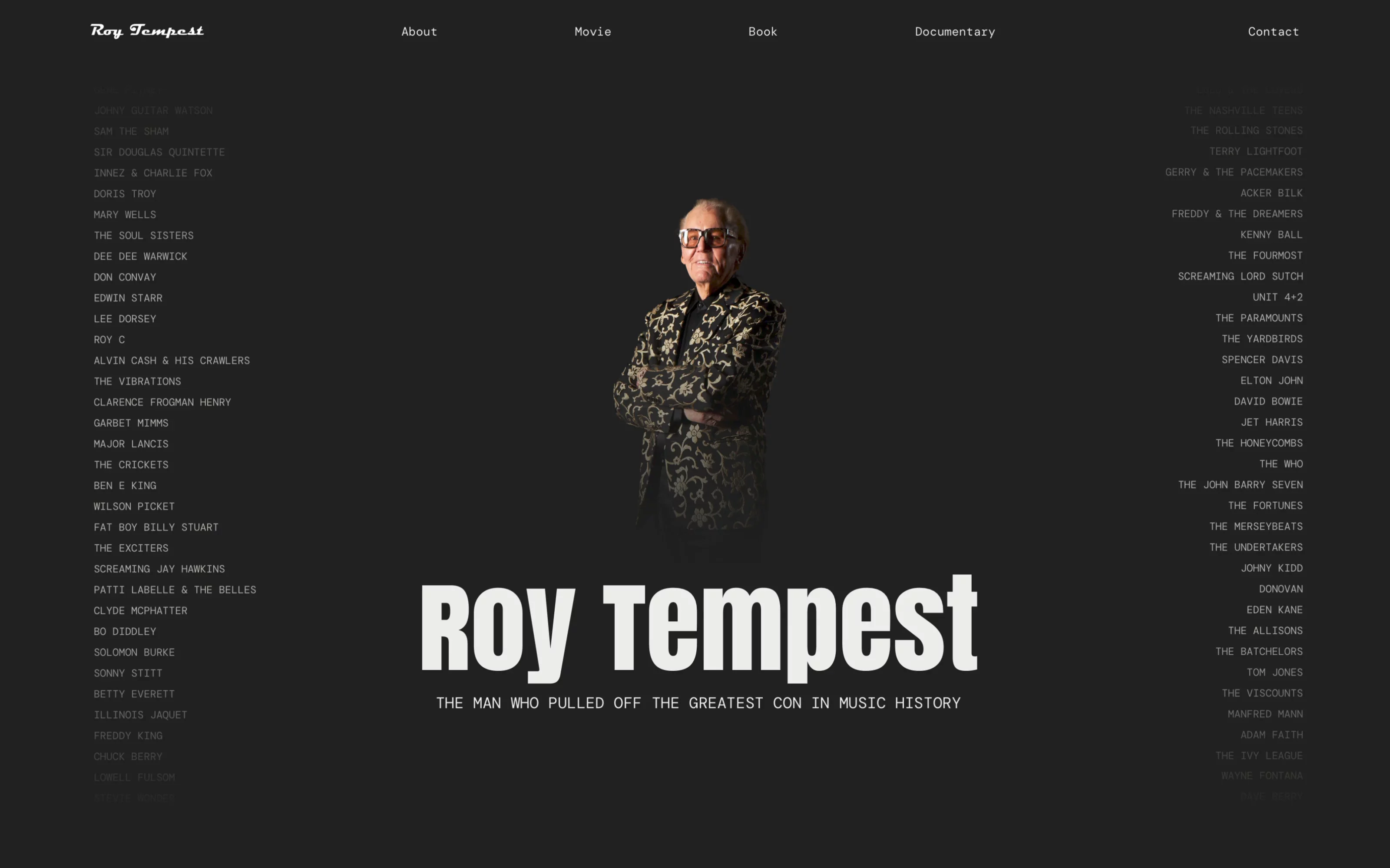
I've decided to share one of my first Framer websites from over a year ago.
This project was commissioned as part of the preparations for an upcoming book and film about Roy Tempest, one of the most controversial figures in the history of the British music industry. The goal was to create a narrative-driven website that tells his extraordinary story through editorial design and storytelling.
Working on this project reminded me why I've been waiting for a tool like Framer for so long. It finally lets designers focus on crafting experiences instead of fighting the technology.
Huge credit to the @Framer team for making that possible.
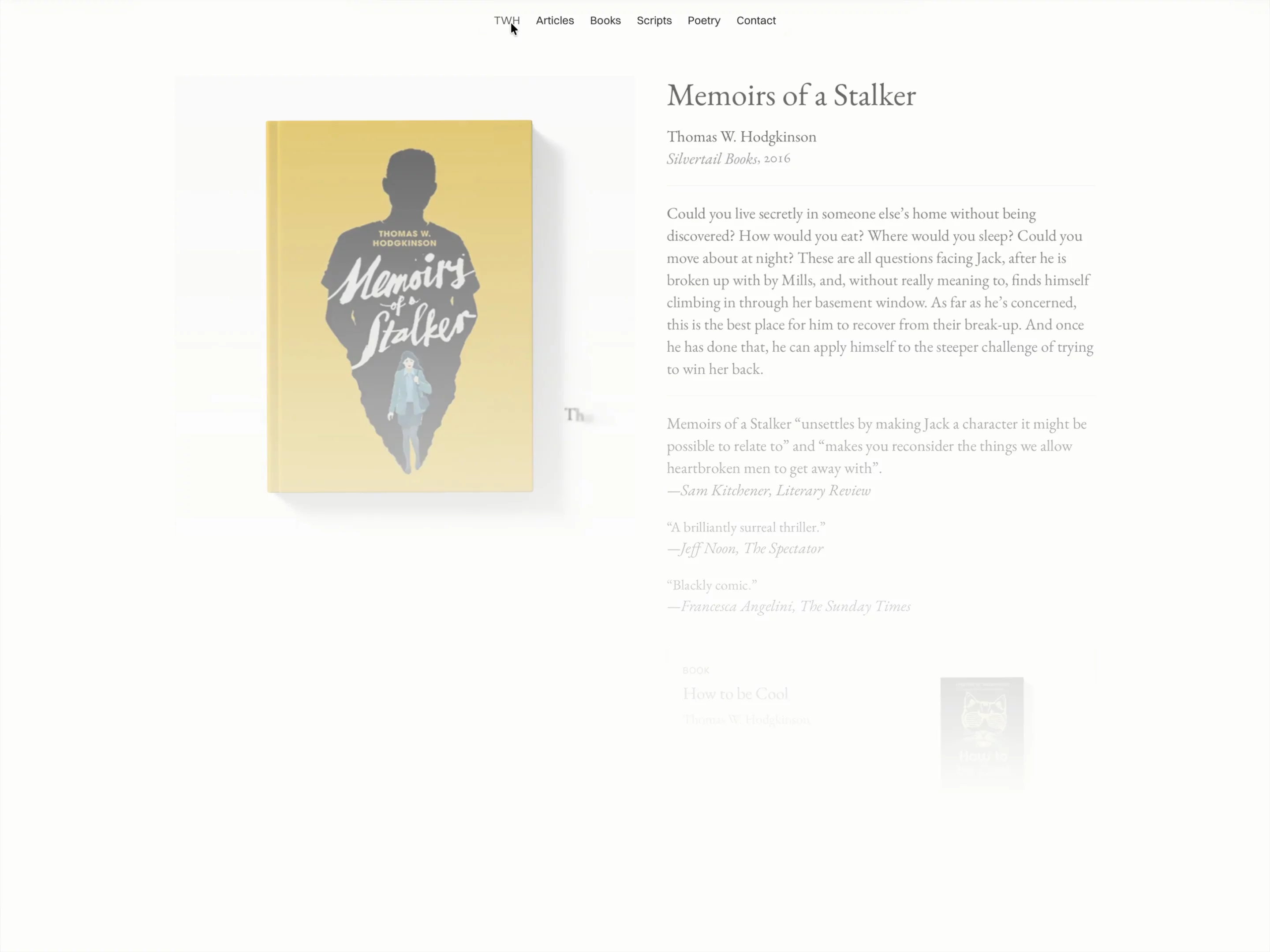
New website just published, built for a client and friend, Thomas W. Hodgkinson, a freelance journalist (The Times, The Spectator, Financial Times, etc.). He needed a clean home for his archive of reviews, features and scripts, so I kept it stripped right back: lots of white space, a single serif, no clutter. The animations are very subtle and intentional too, nothing showy, just small movements that guide the eye and never pull focus from the words.
There's a little easter egg in there as well: the way his name animates in makes a quiet point of the "W.", turns out there's another journalist with the same name, and my friend is very particular about not being mixed up with him, so the middle initial had to earn its moment.