About Refresh Components
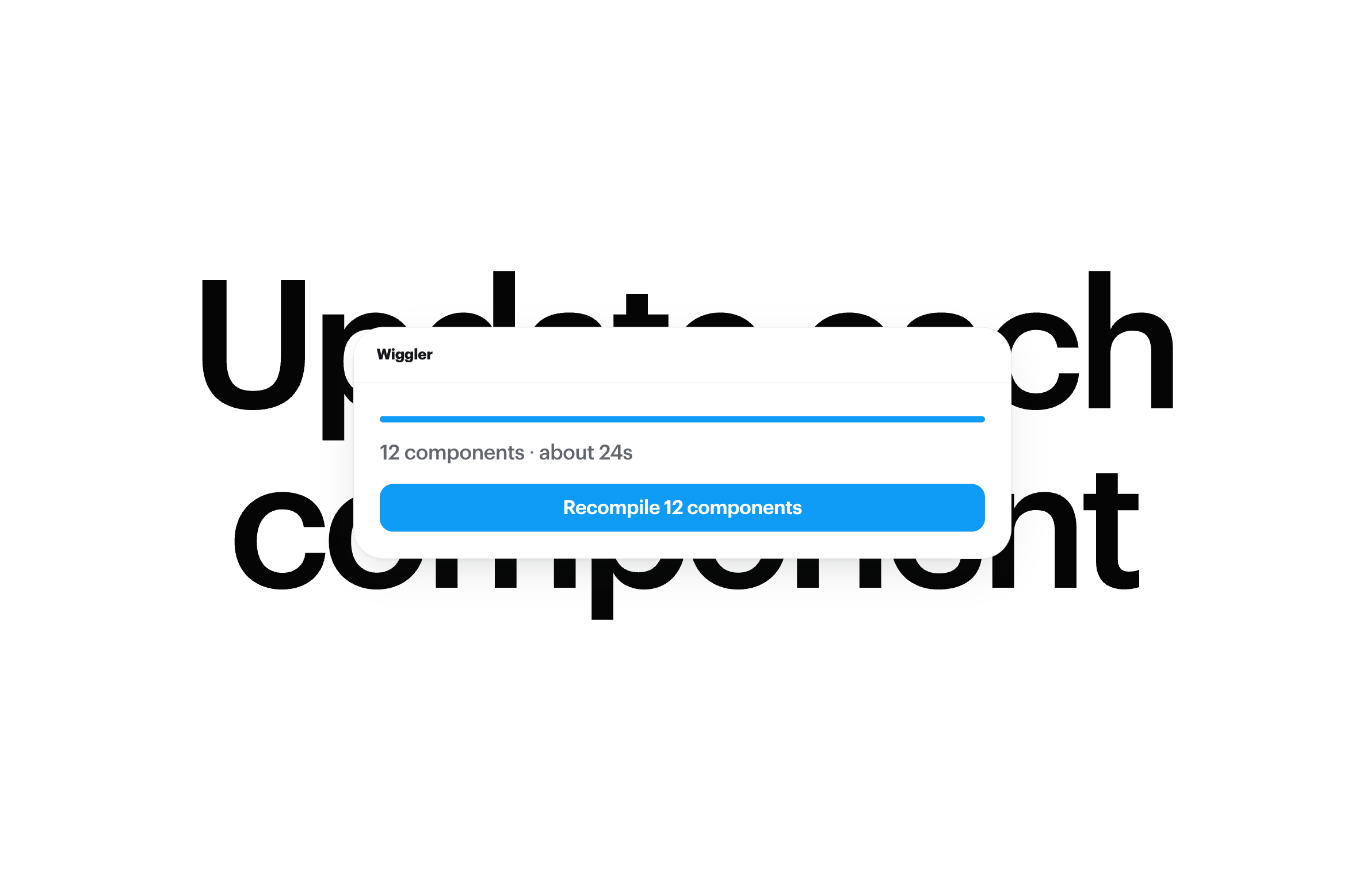
Force every component in your project to recompile.
Framer generates code for each of your components and then reuses it. That code is only rebuilt when the component itself changes, so a component nobody has touched since spring is still running the output of whatever compiler was current at the time.
Most of the time that is fine. It stops being fine when a component starts behaving strangely after a Framer update, when you want the whole project on the same footing before a handoff, or when you have just finished a big refactor and would rather not wonder which components were rebuilt and which were not.
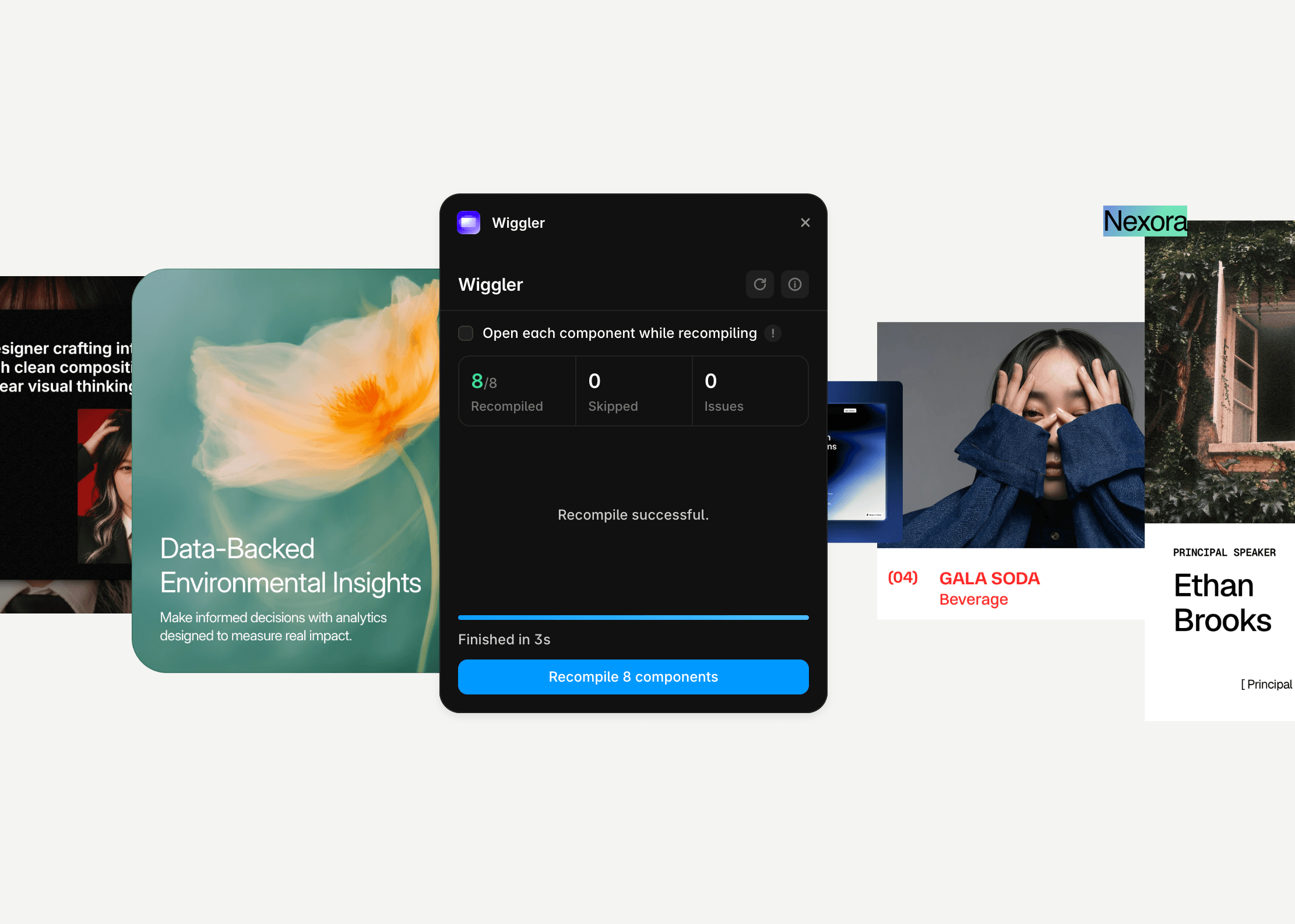
ReFresh rebuilds all of them. One button, and every component in the project is regenerated with the compiler you have today.
Non-destructive, and nothing to republish
The edit is a lock and an unlock on the component's top layer. Nothing is deleted, renamed, moved, restyled or reordered, and no content is touched. Nothing moves, nothing disappears, and every layer ends exactly where it started, including layers that were already locked.
Because locking is an editor-only thing, it never reaches your published site either. Run it as many times as you like and Framer's publish panel still reads No changes, so there is nothing to republish and no deploy to wait for.
An Undo button, for the one thing that can go wrong
A run undoes itself: the unlock is half of the mechanism, not a cleanup step. Framer's own undo works normally too, and the whole run is two entries in it.
Anything Refresh could not put back is named in the table with the reason, so a locked layer is never something you have to go looking for.
Free, fast and local
No account, no sign up, no API key, no service of ours in the middle, and no network requests of its own. Refresh reads and edits your open project through Framer's own plugin API and nothing else. It's free.