New personal record👀
$172.05, my biggest Framer affiliate commission so far. How cool is that 😅

Interesting comparison between two of my Framer templates: Shimoda and North Bureau.
They’re actually pretty similar in structure, both have Home, About, Services, Projects, etc. Shimoda is a portfolio for designers/creative studios, while North Bureau is for architecture & interior studios.
But Shimoda has been out for around 3 months and has only 1 sale. North Bureau has been out for less than a month and already has 4. Why do you think there’s such a difference? Is it mostly the niche, designers vs architects, or maybe something about the design itself?
Another reason to be happy and grateful today 🙏 Another North Bureau sale. Still feels pretty surreal every time.
Day made! Another North Bureau sale today 🙌 Really happy and grateful for every single one of these 🙏
Just a reminder: if you’re a designer or freelancer who keeps putting off building a portfolio, FolioBase is a framer portfolio template I basically made for exactly that 😅 Simple structure, clean design, and a straightforward way to showcase your work. Just add your projects, make it yours, and publish.
Framer creators & designers, it’s been a while since Framer 3.0 and the Marketplace update. Back then, I saw quite a few people saying they’d focus more on client work, make fewer templates, or just wait and see how things play out.
So, how’s it going now? Did you move more into client work, stop making templates, focus more on marketing, or are you still quietly shipping templates like before? Curious what actually changed for everyone.
Just a reminder: if you’re a designer or freelancer who keeps putting off building a portfolio, FolioBase is a framer portfolio template I basically made for exactly that 😅 Simple structure, clean design, and a straightforward way to showcase your work. Just add your projects, make it yours, and publish.
Recently I was talking to a friend who was helping someone with marketing. She sells basically one product — a website template made in Canva (which is already kind of wild 😄) — and Etsy is one of her sales channels.
It got me thinking: has anyone tried selling Framer templates on Etsy as an additional distribution channel?
Not as a replacement for the Framer Marketplace, obviously — just another place to get discovered and make sales.
Has anyone tested this? Curious if it actually works or if Etsy is the wrong audience for Framer templates.
North Bureau also comes with a simple CMS-powered blog — a place to share your thoughts, insights, news, or studio updates.
Each article can naturally lead visitors to the next step: getting in touch. The Contact page includes a simple inquiry form, so a reader can turn into a potential client without leaving the site.
From content → to interest → to a new lead.
FolioBase finally got a sale after more than a month without one I’ve been experimenting with pricing lately and dropped it by $10 a few days ago. No idea if that made the difference or if it’s just a coincidence, but maybe the price needed a little recalibration. Either way, I’m always really grateful for moments like this. Every sale still feels special.
August results from Framer
Affiliate commissions: $131.53 Template sales: $89.39 Total: $220.92
Let’s see what September brings
Made Flowbi a paid template yesterday — $39. And somehow it jumped 3,279 positions in the rankings overnight. Let’s see if this translates into any sales.
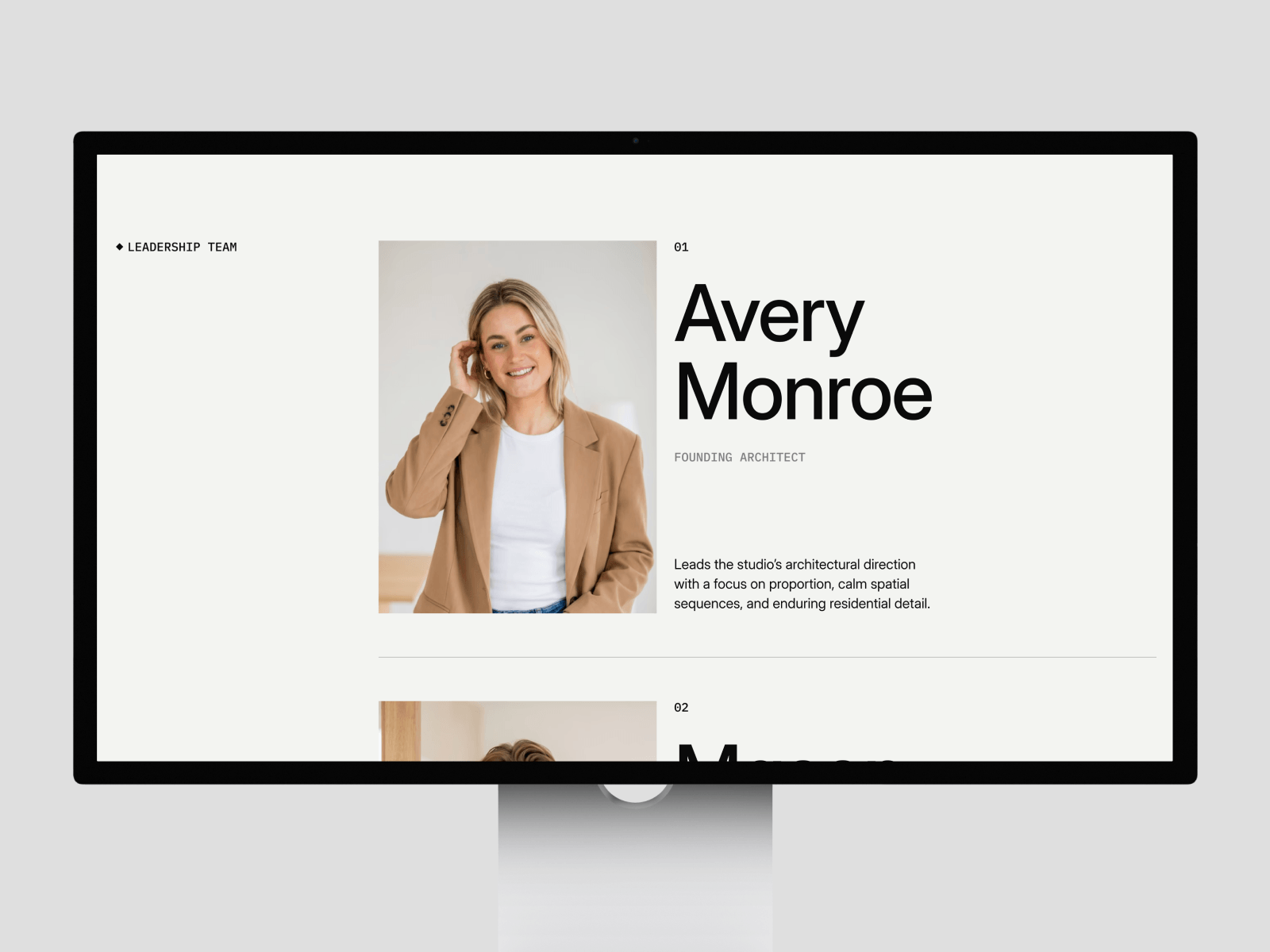
The North Bureau template also comes with a dedicated About page — a place to get to know the studio beyond just its projects.
Share your philosophy, key numbers, how you work, introduce the team, showcase awards, press mentions, and everything else that builds the story and credibility behind your studio.
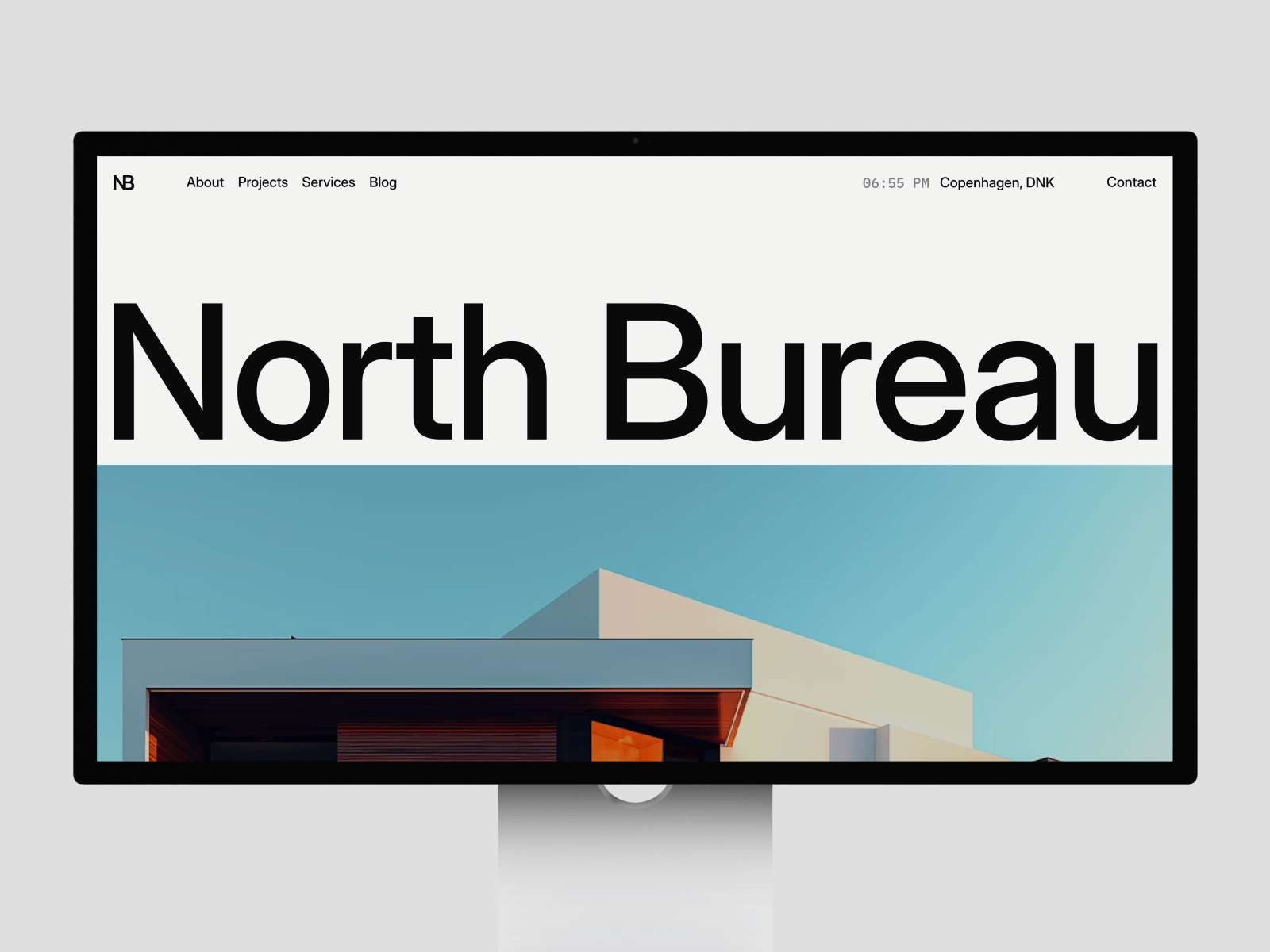
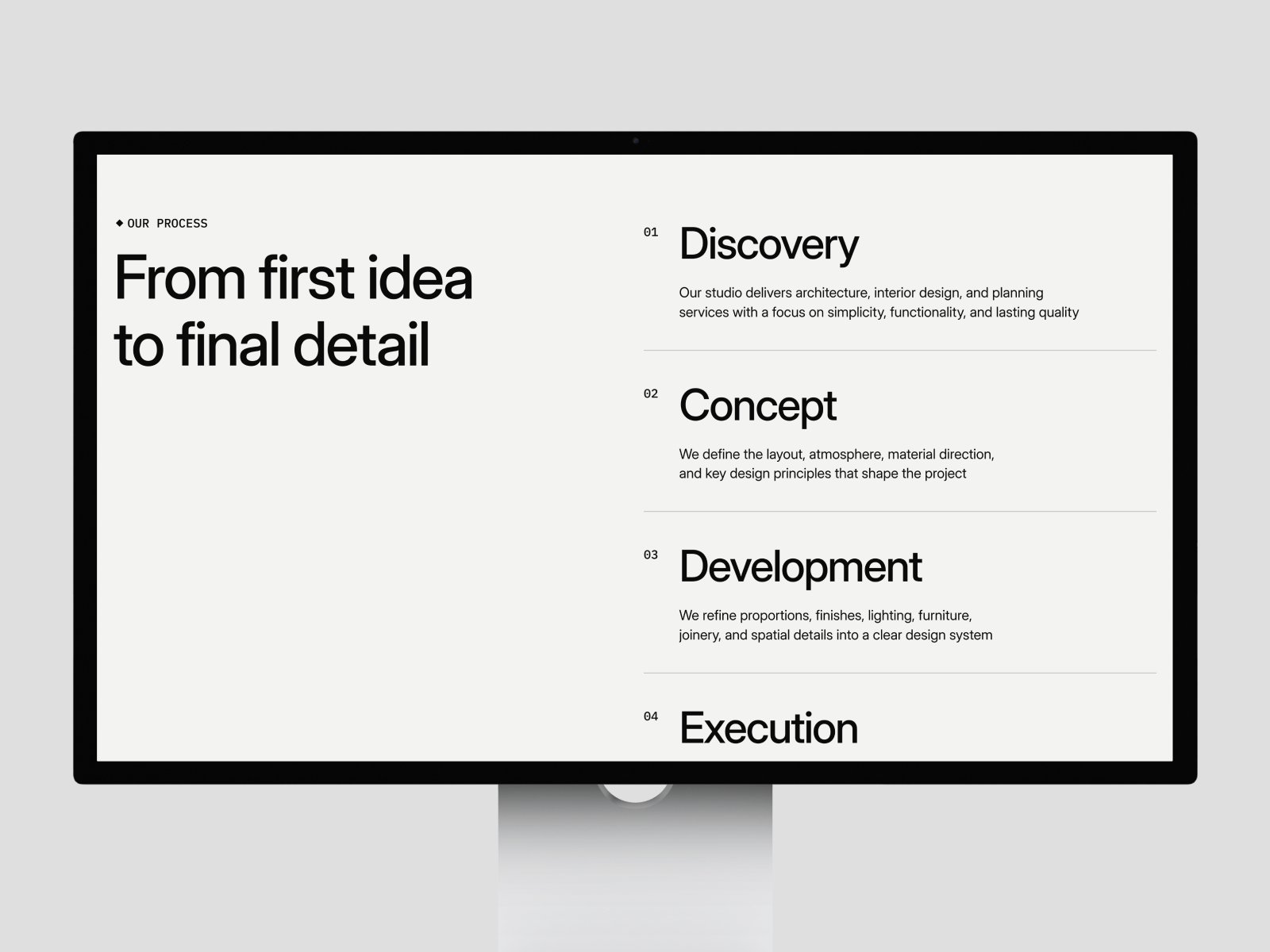
The North Bureau homepage is built for architecture and interior design studios, and does most of the heavy lifting right away: introduces who you are, showcases your work, explains your services and process, shares insights, builds trust through testimonials, answers common questions, and leads visitors to take action. Basically, everything a potential client needs to quickly understand who you are, what you do, and why they should work with you.
Launched this template a couple of days ago. One sale so far, and these are the numbers it’s showing right now. What do you think — decent performance for the first few days, or a bit weak?

Who's Winning on Framer 📅 2026-08-24
👑 Majd by @Mejed Alkoutaini holds #1 for 8 days straight
🚀 Biggest movers:
AUTON jumped 314 spots, the day's biggest move.
• AUTON by @Shreetech climbed 314 spots to #29
• RIKA by @ETHAN CARTER climbed 757 spots to #116
• Captured by @Anatolii Dmitrienko climbed 1547 spots to #168
📈 Top-10 streaks:
Create has held a top-10 spot for 11 days straight.
• Create by @Tamas Bodo (11 days)
• Dream Motion by @Dev Patel (11 days)
• Fabrica by @Anatolii Dmitrienko (11 days)
🏷️ Price drops:
Two templates just went free: Avélor and Dentéa.
• Avélor by @Snowy Atiq (now free)
• Dentéa by @Snowy Atiq (now free)
🆕 Just dropped:
• Maria Vale from @Munzir Kareem
• North Bureau from @Artem Meshkov
• Carepulse from @M Shaheer Riaz
North Bureau is finally live.
It took a bit longer than planned because life got busy: work, moving, and a few things happening at the same time. But I’m happy to finally share it.
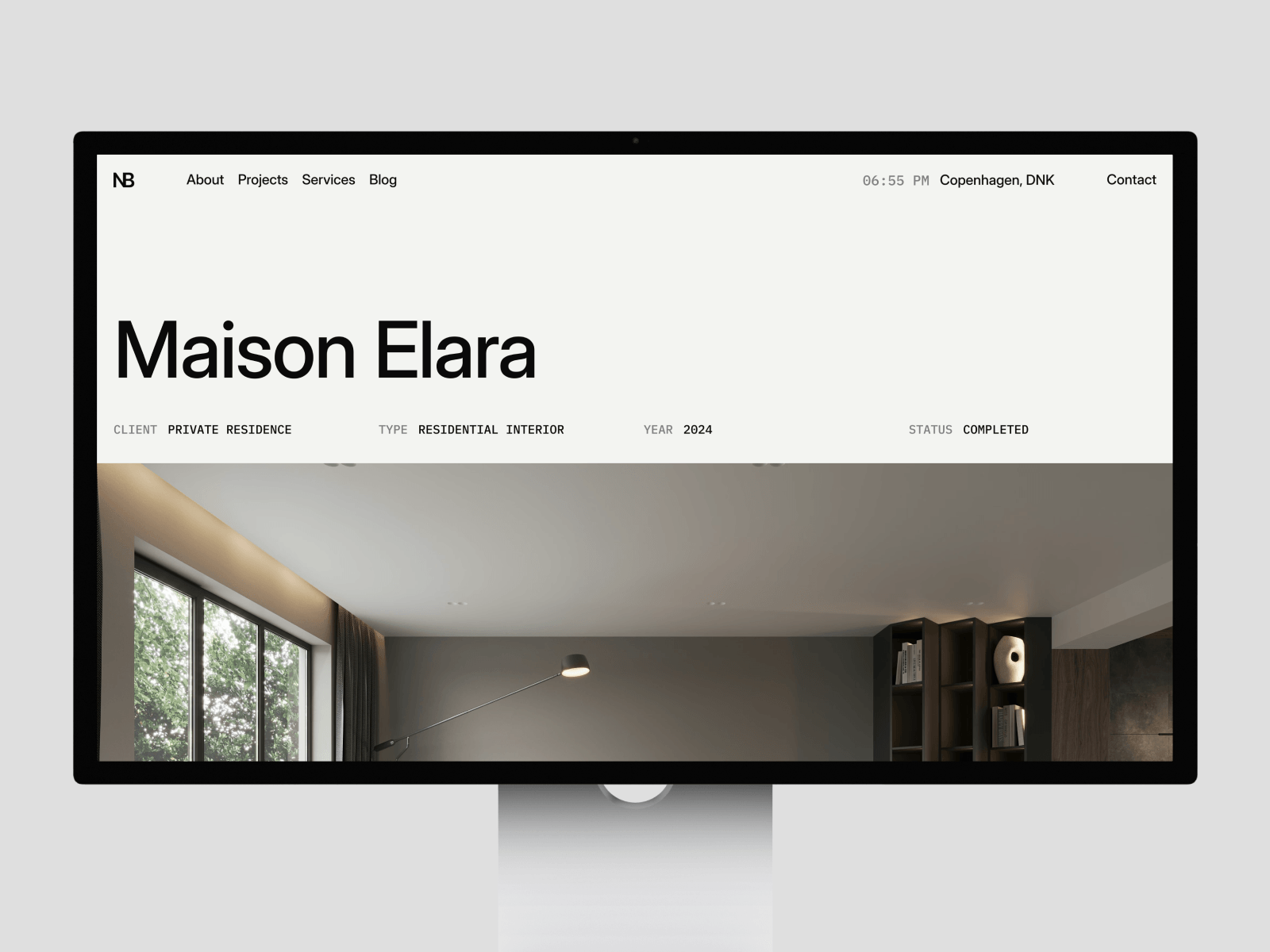
A clean Framer template for architecture and interior design studios, with CMS-powered projects, services, articles, team, testimonials, FAQ, awards, and a full customization guide.
Go take a look, use it, remix it, break it beautifully.