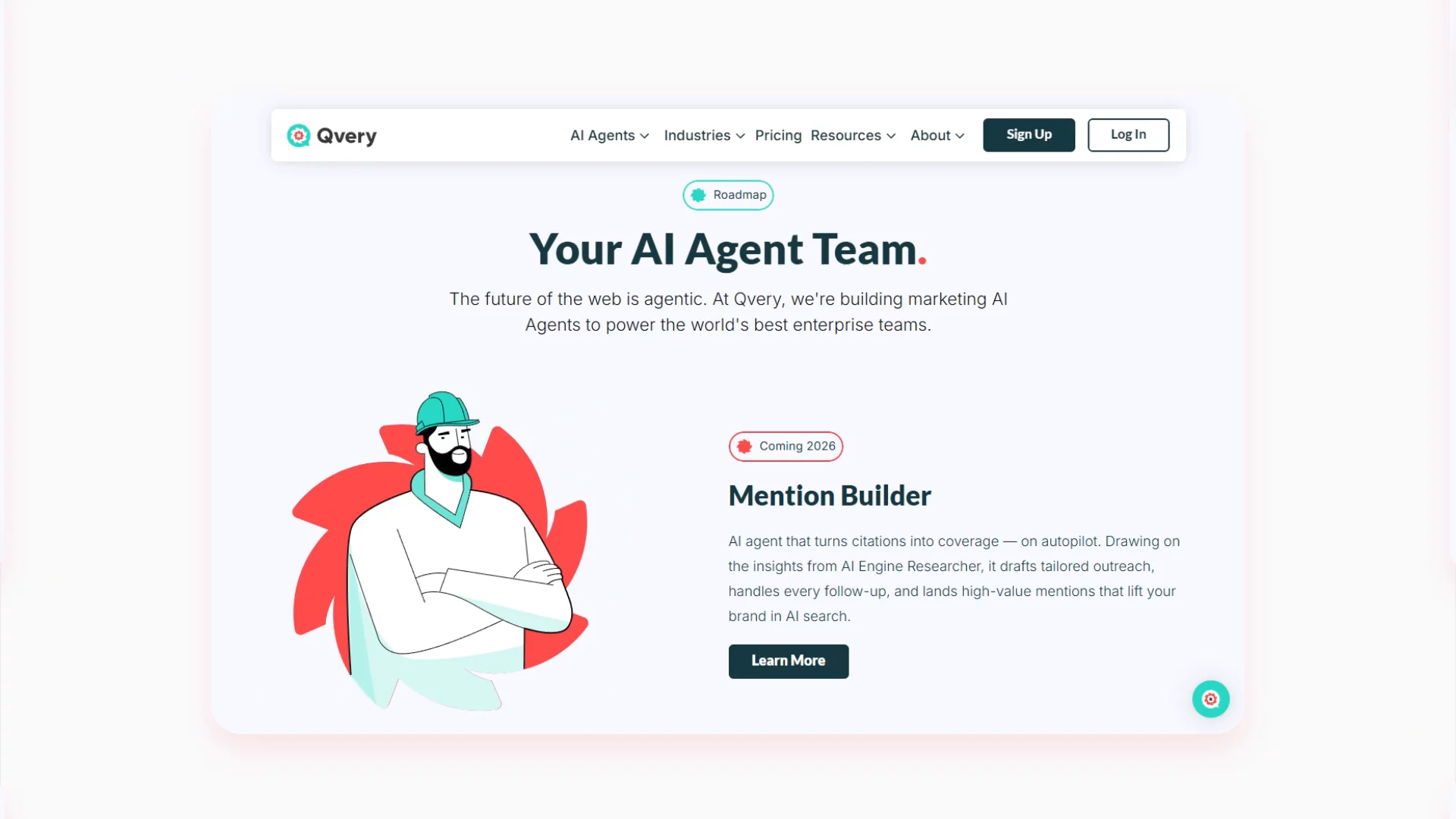

About Qvery
Overview
Qvery is a marketing AI platform that helps brands measure and grow their visibility inside AI search engines like ChatGPT and Google AI Mode. I led the design and build of their product and marketing experience, designing the full system in Figma and implementing it end to end in Framer.
The Challenge
Qvery is early to a category most marketers are meeting for the first time. The product deals in abstract concepts (share of voice, citations, and sentiment across AI answers), aimed at a technical, skeptical audience. The work had to make those ideas concrete and immediately understandable, while reading as a credible instrument rather than an early demo, so a marketing lead would trust it with a real budget.
Design in Figma
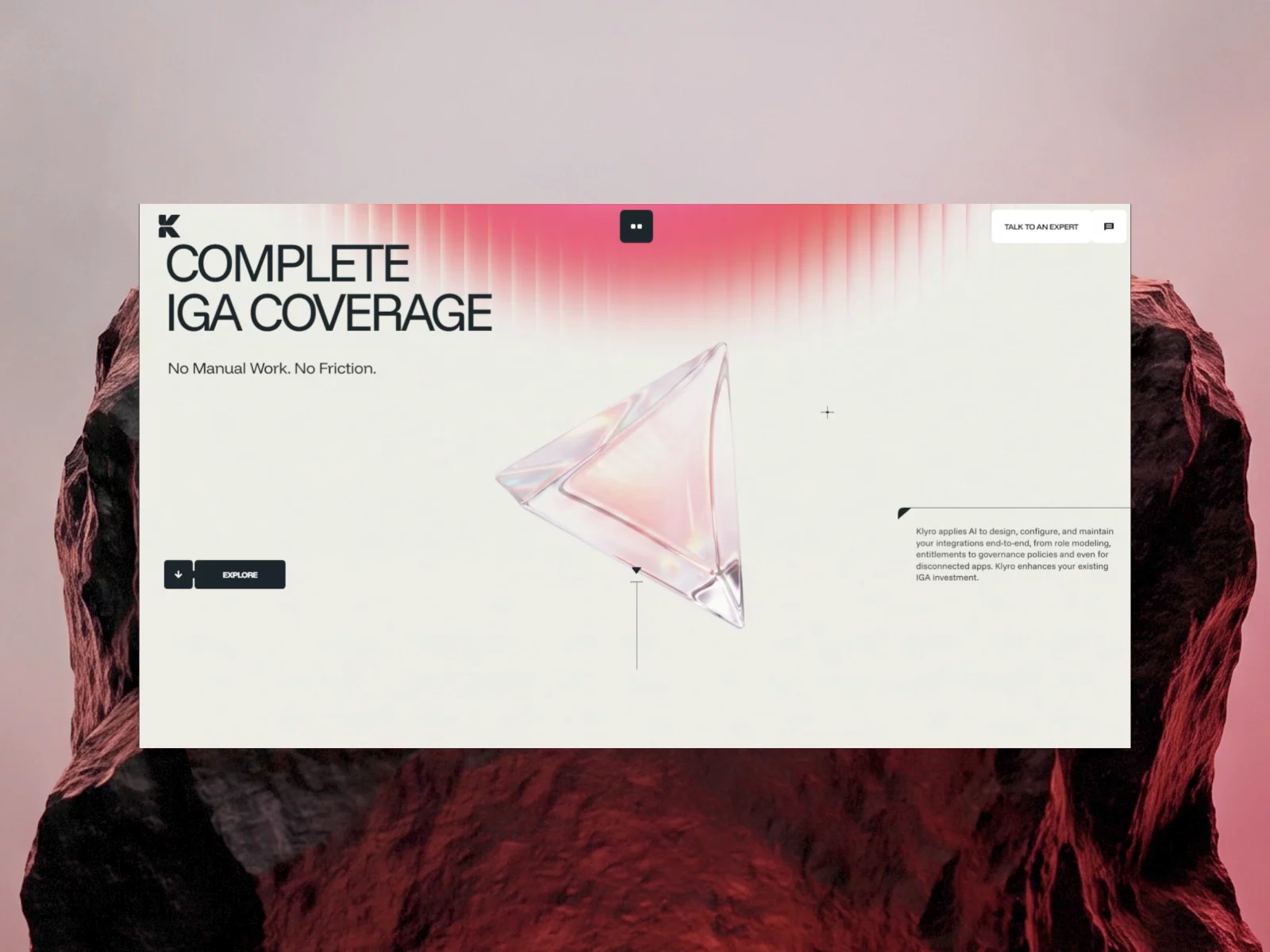
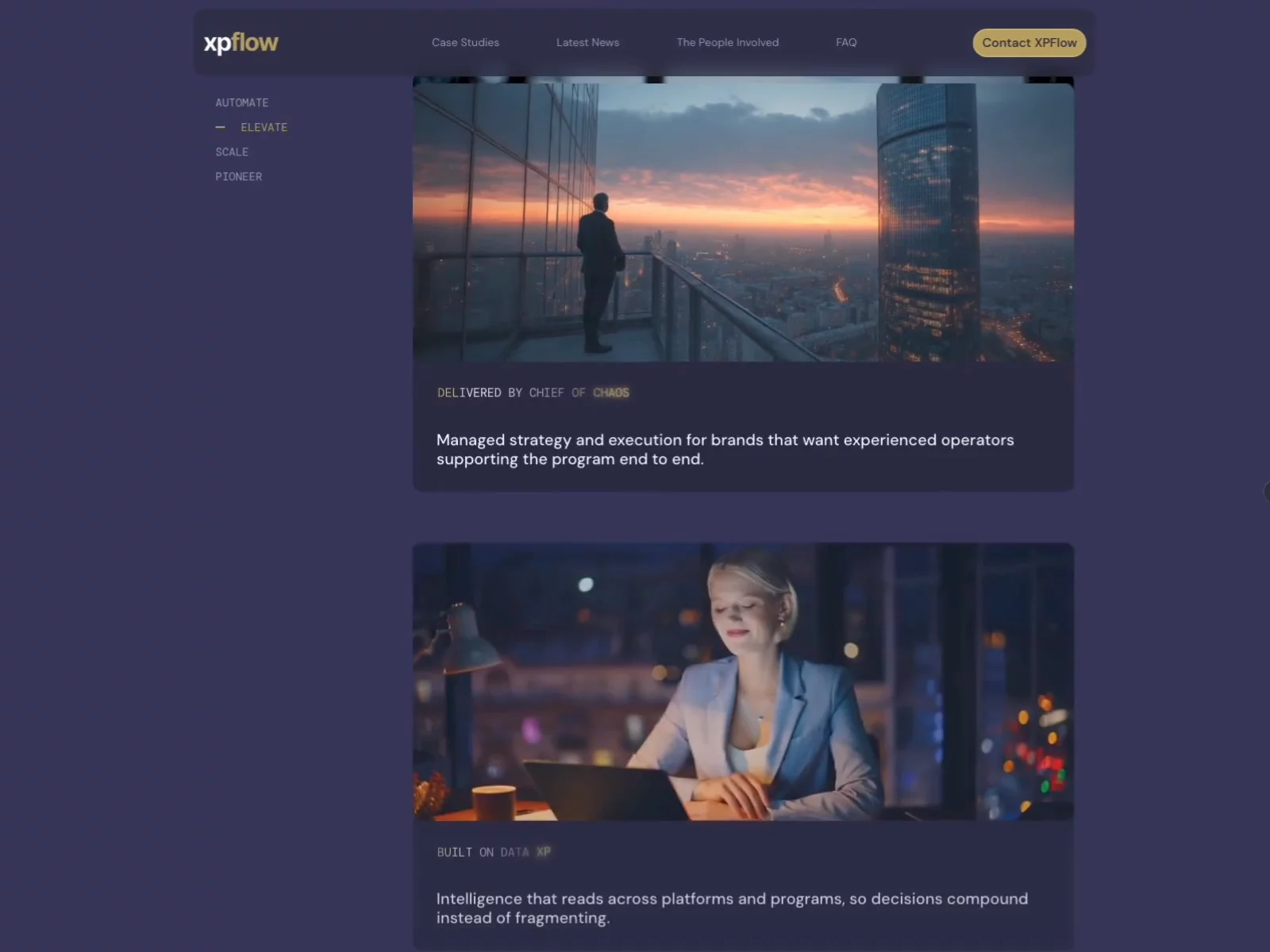
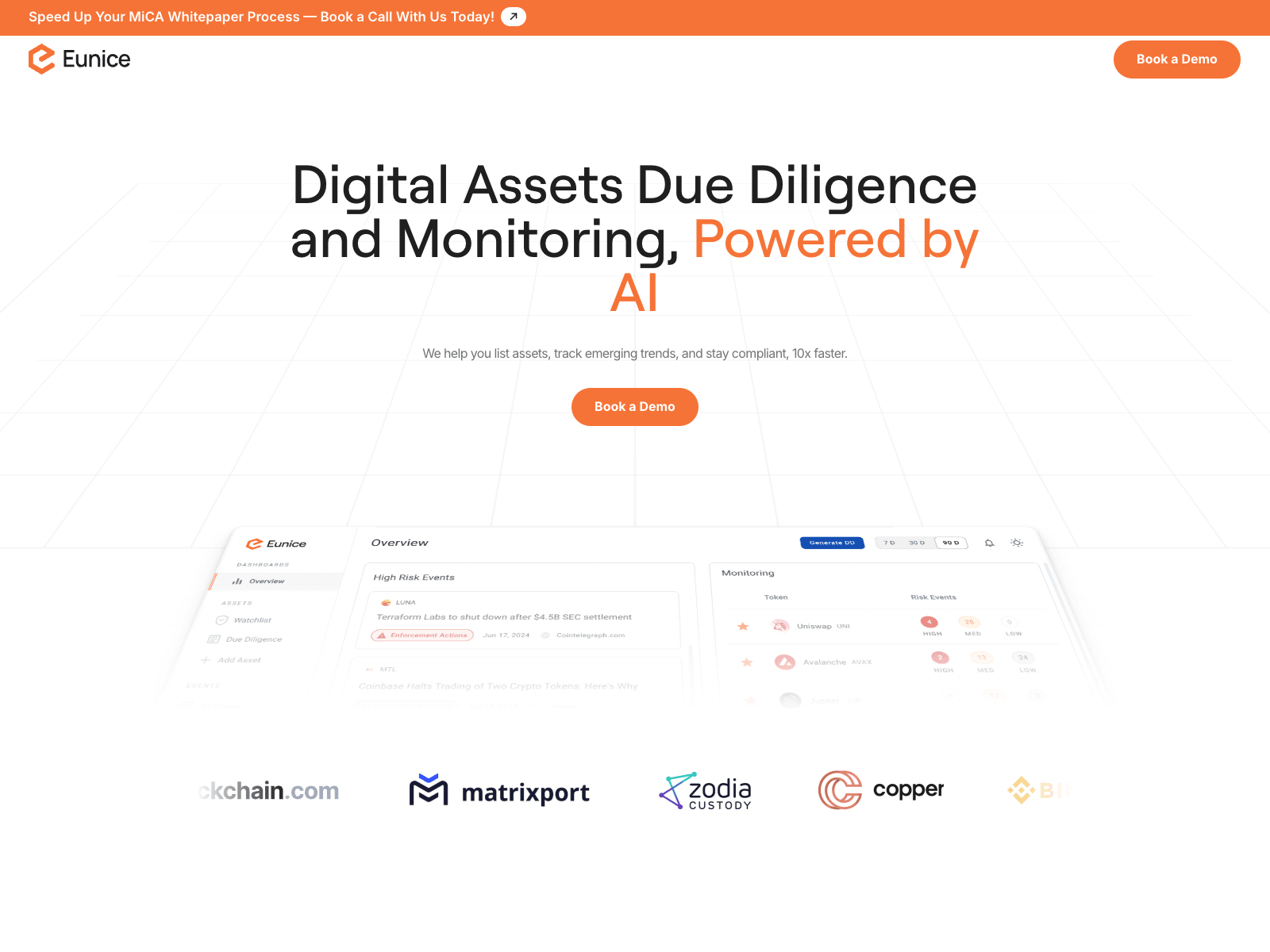
I started with the foundations before the screens: a type scale, spacing system, color system, and a full component library covering data cards, charts, navigation, tables, and states. Since Qvery is a data product, the visual language leans on precision and clarity, with confident headlines, monospaced metric labels, and generous whitespace so the numbers stay legible. Everything was built as reusable components with variants and auto layout, structured to be built from directly.
Build in Framer
There was no design-to-development handoff. I implemented the site myself in Framer, translating each Figma component into a matching Framer component, so what shipped is exactly what was designed. The result is a fast, editable site the team fully owns.
Outcome
Qvery launched with a marketing site and product experience that make a brand-new category feel established, keeping design and build in one pair of hands from the first Figma frame to the live Framer site. The work was recognized as an Awwwards nominee.