
How Framer is empowering the next generation of designers

Share

Share

Every project starts with a spark: a sketch, a concept that refuses to fade. Framer gives students the space to bring those bold ideas to life, for free. They can design and publish polished websites, build strong portfolios, and access the same tools used by top designers.

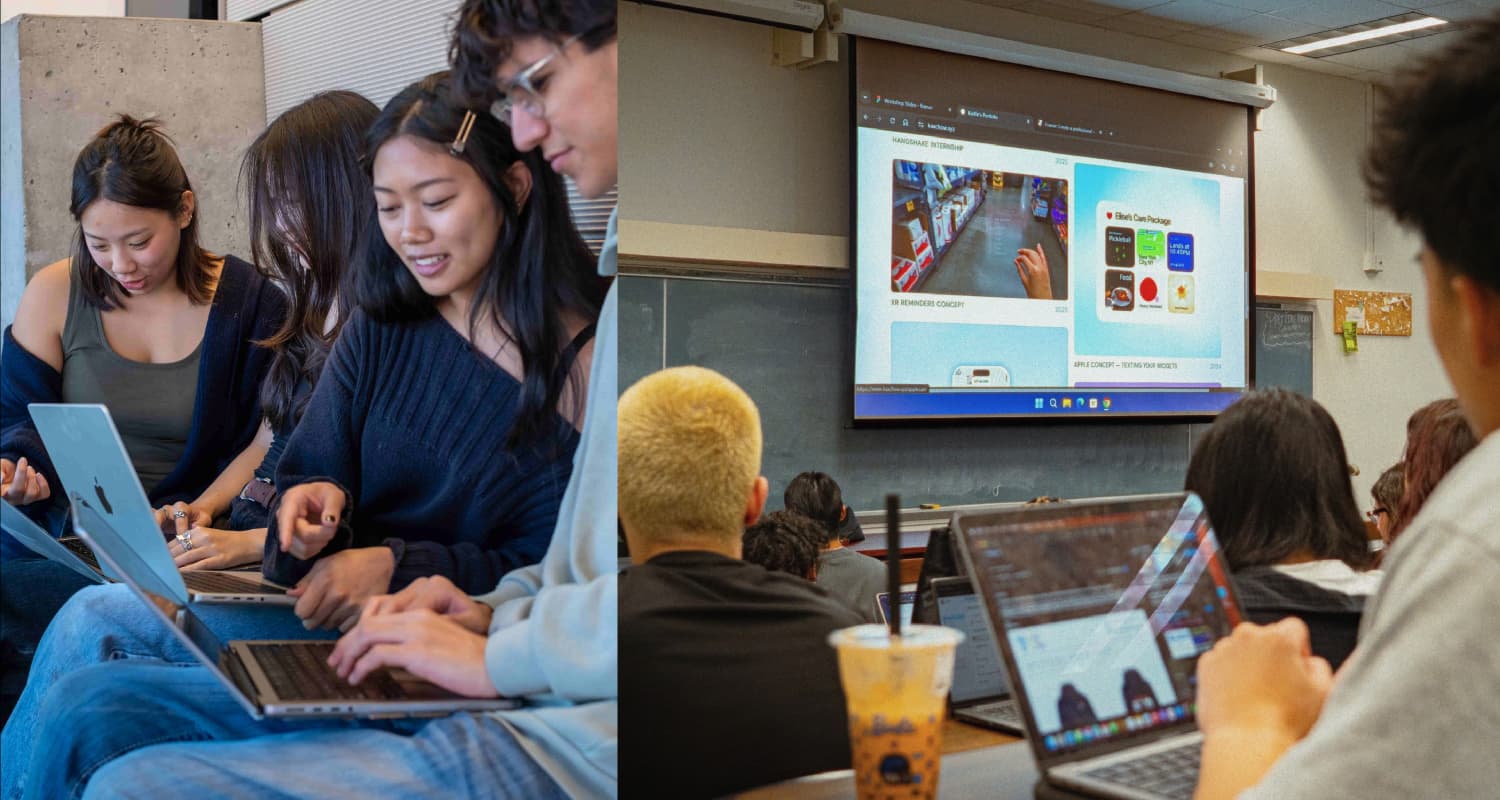
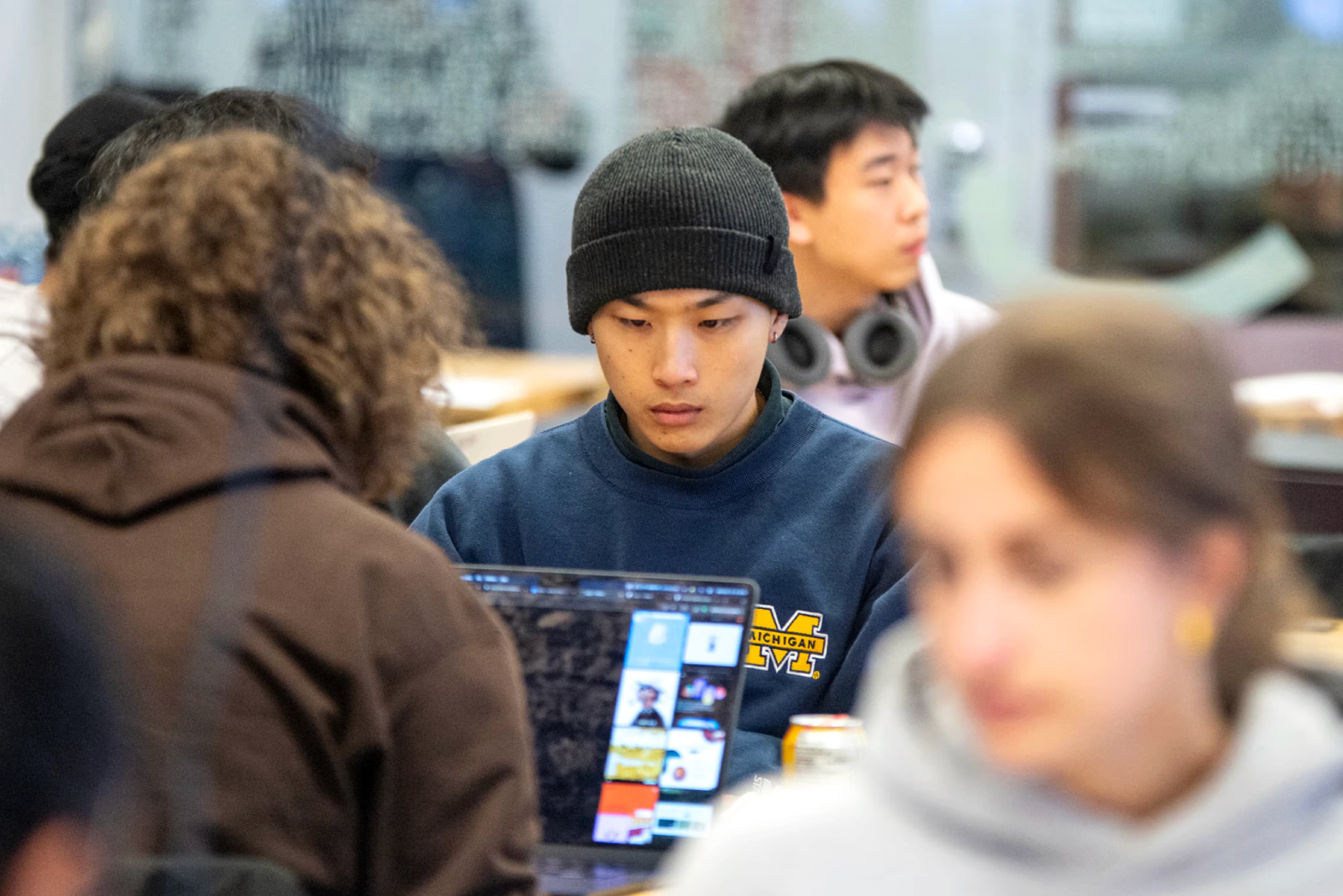
Framer’s mission has always been about turning ideas into stunning websites, fast. This year, we focused on supporting a group shaping the future of design: students. From class assignments to late-night dorm projects, students are bringing new projects to life on the web with Framer. In this post, we’re sharing stories from students around the world who are publishing their first websites, experimenting boldly, and redefining what a portfolio can be.

With the Student Program, students unlock the complete Framer experience at no cost. That includes hosting for a site, full access to the design canvas and CMS, unlimited use of our AI tools Wireframer and Workshop, and thousands of free templates to choose from.

And through the new Campus Ambassador Program, we’re also offering hands-on support at universities where ambassadors host workshops, help peers, and create community for the next wave of designers.

Stories from students designing the future with Framer
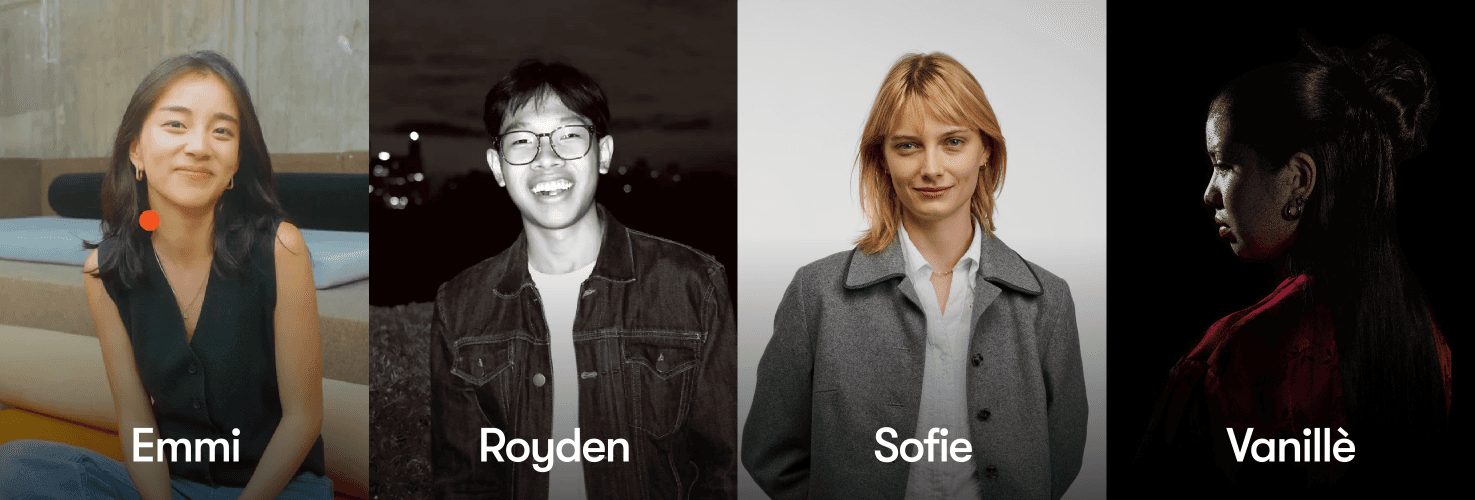
Young creatives are pushing the boundaries of what the web can be with the Framer Student Program. To celebrate this wave of energy, we’re spotlighting students who are using Framer to shape the next chapter of the internet, one bold idea at a time. Their projects offer a look at how young designers are approaching the web and what they’re choosing to make with the tools that Framer provides them.

Emmi Wu

Emmi Wu studies design and consumer psychology at the University of Pennsylvania, combining her business background, design skills, and love of art. Her portfolio shows that blend clearly. She even added a hidden digital garden in the footer inspired by ASCII art. “It’s funny,” she says, “it got some traction online, and now people actually visit my site for the footer.” Keeping her playful personality in the site was important to her.

Framer has become her space to turn ideas into something real and to experiment and refine her work. “Every student needs a portfolio,” she says. Her site continues to evolve, and she is considering adding a small blog powered by Framer’s CMS to share her thoughts and process.

Reflecting on her journey, she says, “Sharing my work online has led me to meet some amazing designers and opened up doors to professional opportunities.” Her advice for students starting with Framer is to watch tutorials to learn the basics and look at real work to understand interactions.

Royden So

Royden So is a designer from Hong Kong and an architecture student at The Cooper Union in New York. His portfolio, “Royden’s playground”, explores the core components of design software: the cursor, the bounding box, and how these elements work together to create digital experiences. “It’s about pulling back the curtain and celebrating the design of the tools themselves,” he says.

Using Framer helped him land an internship and feel more confident sharing his work. It also inspired him to create templates for the Framer Marketplace so others can get started easily. As he spends more time with Framer, he finds himself relying on other design tools less. “I used to rely on separate tools, but now I can iterate, develop and publish my websites in one place.”

For Royden, the best part of Framer is the combination of control and speed. “It’s a tool that’s intuitive and rich in features.” He enjoys 3D transforms, the CMS, and touches like being able to hide scrollbars. His advice for students beginning with Framer: “Just start. The barrier to entry is low with Framer, and with their student offer, there is no reason not to create a personal website.”

Sofie Viola Glargaard

Sofie Viola Glargaard is a Visual Design and Interaction student at The Royal Danish Academy of Design in Copenhagen. She first built her portfolio while looking for an internship. “In the end, I have spent way more time building my website in Framer than on the actual internship applications and interviews, simply because I had so much fun building it,” she says.

She wanted a portfolio that stood out, was easy to navigate, and felt true to her personality and design approach. She is most proud of “the storytelling and the flow of the site, how the hero animation leads to the project overview, and how each project naturally leads to the next”.

It was the first website she ever built. “When I started the project, I was expecting a steep learning curve in Framer, but I’ve quite quickly become comfortable with all the main features,” she says. Now, she feels ready for more complex builds.

Her advice for students learning Framer: “You can make a really nice site in Framer with design basic skills. Start simple, take it step by step, and publish early. It’s the best motivation to fix bugs quickly.”

Vanillè Viola Tophinke

Vanillè Viola Tophinke studies Graphic Design and Visual Communication in Cologne. Her portfolio website has become her most personal project yet. “My portfolio is the project I’m most proud of. I wanted it to feel warm and personal”

Inspired by designers who express their personality through layout, she set out to build something more dynamic than a PDF. The red, orange, and beige palette became the foundation of the site’s mood, paired with a hand-drawn Procreate animation she created for the homepage. “Seeing everything come together, the colors, the layout, the motion, felt like building my online world.”

Framer became the place where she could shape her ideas exactly as she imagined. Tutorials on YouTube made learning feel natural. “Building my first website from scratch pushed me a lot as a designer. It felt amazing to learn something new and watch it come to life instantly.”

Her advice for students getting started with Framer is simple. “Just start experimenting. Framer becomes easy once you get into it, and it lets you build something truly unique.

Framer is free for every student

Getting started with professional-grade tools shouldn’t be a privilege. It should be part of learning. That’s why Framer is completely free for students. They get access to everything they need to design, publish, and share their work with the world. That includes:

  • A complete set of design tools for layout, typography, components, and responsive styling, all inside an intuitive canvas built for modern design.

  • Full access to features like CMS, custom domains, and hosting, so students can build polished websites that look and feel professional.

  • Unlimited AI tools, from quick layout generation with Wireframer to advanced components in Workshop.

  • Thousands of free templates to jump-start your next project or portfolio.

Ready to start? Join our free student program and launch your first site today. Want to take it even further? Become a Framer Campus Ambassador and help bring Framer to your campus.

Framer’s mission has always been about turning ideas into stunning websites, fast. This year, we focused on supporting a group shaping the future of design: students. From class assignments to late-night dorm projects, students are bringing new projects to life on the web with Framer. In this post, we’re sharing stories from students around the world who are publishing their first websites, experimenting boldly, and redefining what a portfolio can be.

With the Student Program, students unlock the complete Framer experience at no cost. That includes hosting for a site, full access to the design canvas and CMS, unlimited use of our AI tools Wireframer and Workshop, and thousands of free templates to choose from.

And through the new Campus Ambassador Program, we’re also offering hands-on support at universities where ambassadors host workshops, help peers, and create community for the next wave of designers.

Stories from students designing the future with Framer

Young creatives are pushing the boundaries of what the web can be with the Framer Student Program. To celebrate this wave of energy, we’re spotlighting students who are using Framer to shape the next chapter of the internet, one bold idea at a time. Their projects offer a look at how young designers are approaching the web and what they’re choosing to make with the tools that Framer provides them.

Emmi Wu

Emmi Wu studies design and consumer psychology at the University of Pennsylvania, combining her business background, design skills, and love of art. Her portfolio shows that blend clearly. She even added a hidden digital garden in the footer inspired by ASCII art. “It’s funny,” she says, “it got some traction online, and now people actually visit my site for the footer.” Keeping her playful personality in the site was important to her.

Framer has become her space to turn ideas into something real and to experiment and refine her work. “Every student needs a portfolio,” she says. Her site continues to evolve, and she is considering adding a small blog powered by Framer’s CMS to share her thoughts and process.

Reflecting on her journey, she says, “Sharing my work online has led me to meet some amazing designers and opened up doors to professional opportunities.” Her advice for students starting with Framer is to watch tutorials to learn the basics and look at real work to understand interactions.

Royden So

Royden So is a designer from Hong Kong and an architecture student at The Cooper Union in New York. His portfolio, “Royden’s playground”, explores the core components of design software: the cursor, the bounding box, and how these elements work together to create digital experiences. “It’s about pulling back the curtain and celebrating the design of the tools themselves,” he says.

Using Framer helped him land an internship and feel more confident sharing his work. It also inspired him to create templates for the Framer Marketplace so others can get started easily. As he spends more time with Framer, he finds himself relying on other design tools less. “I used to rely on separate tools, but now I can iterate, develop and publish my websites in one place.”

For Royden, the best part of Framer is the combination of control and speed. “It’s a tool that’s intuitive and rich in features.” He enjoys 3D transforms, the CMS, and touches like being able to hide scrollbars. His advice for students beginning with Framer: “Just start. The barrier to entry is low with Framer, and with their student offer, there is no reason not to create a personal website.”

Sofie Viola Glargaard

Sofie Viola Glargaard is a Visual Design and Interaction student at The Royal Danish Academy of Design in Copenhagen. She first built her portfolio while looking for an internship. “In the end, I have spent way more time building my website in Framer than on the actual internship applications and interviews, simply because I had so much fun building it,” she says.

She wanted a portfolio that stood out, was easy to navigate, and felt true to her personality and design approach. She is most proud of “the storytelling and the flow of the site, how the hero animation leads to the project overview, and how each project naturally leads to the next”.

It was the first website she ever built. “When I started the project, I was expecting a steep learning curve in Framer, but I’ve quite quickly become comfortable with all the main features,” she says. Now, she feels ready for more complex builds.

Her advice for students learning Framer: “You can make a really nice site in Framer with design basic skills. Start simple, take it step by step, and publish early. It’s the best motivation to fix bugs quickly.”

Vanillè Viola Tophinke

Vanillè Viola Tophinke studies Graphic Design and Visual Communication in Cologne. Her portfolio website has become her most personal project yet. “My portfolio is the project I’m most proud of. I wanted it to feel warm and personal”

Inspired by designers who express their personality through layout, she set out to build something more dynamic than a PDF. The red, orange, and beige palette became the foundation of the site’s mood, paired with a hand-drawn Procreate animation she created for the homepage. “Seeing everything come together, the colors, the layout, the motion, felt like building my online world.”

Framer became the place where she could shape her ideas exactly as she imagined. Tutorials on YouTube made learning feel natural. “Building my first website from scratch pushed me a lot as a designer. It felt amazing to learn something new and watch it come to life instantly.”

Her advice for students getting started with Framer is simple. “Just start experimenting. Framer becomes easy once you get into it, and it lets you build something truly unique.

Framer is free for every student

Getting started with professional-grade tools shouldn’t be a privilege. It should be part of learning. That’s why Framer is completely free for students. They get access to everything they need to design, publish, and share their work with the world. That includes:

  • A complete set of design tools for layout, typography, components, and responsive styling, all inside an intuitive canvas built for modern design.

  • Full access to features like CMS, custom domains, and hosting, so students can build polished websites that look and feel professional.

  • Unlimited AI tools, from quick layout generation with Wireframer to advanced components in Workshop.

  • Thousands of free templates to jump-start your next project or portfolio.

Ready to start? Join our free student program and launch your first site today. Want to take it even further? Become a Framer Campus Ambassador and help bring Framer to your campus.

Framer’s mission has always been about turning ideas into stunning websites, fast. This year, we focused on supporting a group shaping the future of design: students. From class assignments to late-night dorm projects, students are bringing new projects to life on the web with Framer. In this post, we’re sharing stories from students around the world who are publishing their first websites, experimenting boldly, and redefining what a portfolio can be.

With the Student Program, students unlock the complete Framer experience at no cost. That includes hosting for a site, full access to the design canvas and CMS, unlimited use of our AI tools Wireframer and Workshop, and thousands of free templates to choose from.

And through the new Campus Ambassador Program, we’re also offering hands-on support at universities where ambassadors host workshops, help peers, and create community for the next wave of designers.

Stories from students designing the future with Framer

Young creatives are pushing the boundaries of what the web can be with the Framer Student Program. To celebrate this wave of energy, we’re spotlighting students who are using Framer to shape the next chapter of the internet, one bold idea at a time. Their projects offer a look at how young designers are approaching the web and what they’re choosing to make with the tools that Framer provides them.

Emmi Wu

Emmi Wu studies design and consumer psychology at the University of Pennsylvania, combining her business background, design skills, and love of art. Her portfolio shows that blend clearly. She even added a hidden digital garden in the footer inspired by ASCII art. “It’s funny,” she says, “it got some traction online, and now people actually visit my site for the footer.” Keeping her playful personality in the site was important to her.

Framer has become her space to turn ideas into something real and to experiment and refine her work. “Every student needs a portfolio,” she says. Her site continues to evolve, and she is considering adding a small blog powered by Framer’s CMS to share her thoughts and process.

Reflecting on her journey, she says, “Sharing my work online has led me to meet some amazing designers and opened up doors to professional opportunities.” Her advice for students starting with Framer is to watch tutorials to learn the basics and look at real work to understand interactions.

Royden So

Royden So is a designer from Hong Kong and an architecture student at The Cooper Union in New York. His portfolio, “Royden’s playground”, explores the core components of design software: the cursor, the bounding box, and how these elements work together to create digital experiences. “It’s about pulling back the curtain and celebrating the design of the tools themselves,” he says.

Using Framer helped him land an internship and feel more confident sharing his work. It also inspired him to create templates for the Framer Marketplace so others can get started easily. As he spends more time with Framer, he finds himself relying on other design tools less. “I used to rely on separate tools, but now I can iterate, develop and publish my websites in one place.”

For Royden, the best part of Framer is the combination of control and speed. “It’s a tool that’s intuitive and rich in features.” He enjoys 3D transforms, the CMS, and touches like being able to hide scrollbars. His advice for students beginning with Framer: “Just start. The barrier to entry is low with Framer, and with their student offer, there is no reason not to create a personal website.”

Sofie Viola Glargaard

Sofie Viola Glargaard is a Visual Design and Interaction student at The Royal Danish Academy of Design in Copenhagen. She first built her portfolio while looking for an internship. “In the end, I have spent way more time building my website in Framer than on the actual internship applications and interviews, simply because I had so much fun building it,” she says.

She wanted a portfolio that stood out, was easy to navigate, and felt true to her personality and design approach. She is most proud of “the storytelling and the flow of the site, how the hero animation leads to the project overview, and how each project naturally leads to the next”.

It was the first website she ever built. “When I started the project, I was expecting a steep learning curve in Framer, but I’ve quite quickly become comfortable with all the main features,” she says. Now, she feels ready for more complex builds.

Her advice for students learning Framer: “You can make a really nice site in Framer with design basic skills. Start simple, take it step by step, and publish early. It’s the best motivation to fix bugs quickly.”

Vanillè Viola Tophinke

Vanillè Viola Tophinke studies Graphic Design and Visual Communication in Cologne. Her portfolio website has become her most personal project yet. “My portfolio is the project I’m most proud of. I wanted it to feel warm and personal”

Inspired by designers who express their personality through layout, she set out to build something more dynamic than a PDF. The red, orange, and beige palette became the foundation of the site’s mood, paired with a hand-drawn Procreate animation she created for the homepage. “Seeing everything come together, the colors, the layout, the motion, felt like building my online world.”

Framer became the place where she could shape her ideas exactly as she imagined. Tutorials on YouTube made learning feel natural. “Building my first website from scratch pushed me a lot as a designer. It felt amazing to learn something new and watch it come to life instantly.”

Her advice for students getting started with Framer is simple. “Just start experimenting. Framer becomes easy once you get into it, and it lets you build something truly unique.

Framer is free for every student

Getting started with professional-grade tools shouldn’t be a privilege. It should be part of learning. That’s why Framer is completely free for students. They get access to everything they need to design, publish, and share their work with the world. That includes:

  • A complete set of design tools for layout, typography, components, and responsive styling, all inside an intuitive canvas built for modern design.

  • Full access to features like CMS, custom domains, and hosting, so students can build polished websites that look and feel professional.

  • Unlimited AI tools, from quick layout generation with Wireframer to advanced components in Workshop.

  • Thousands of free templates to jump-start your next project or portfolio.

Ready to start? Join our free student program and launch your first site today. Want to take it even further? Become a Framer Campus Ambassador and help bring Framer to your campus.

Design bold. Launch fast.