Framer vs ChatGPT: AI website design with full design control
Framer is an AI website builder where work stays editable on the visual canvas and can be published with CMS, SEO, hosting, and Framer Agents. Teams can design responsive pages, manage content, review updates, and publish from one workflow.












Framer vs ChatGPT: AI website builder, CMS, SEO, and workflow comparison
Feature | Framer | ChatGPT | What this means for you |
|---|---|---|---|
AI website building | AI-generated pages, fully editable on canvas | Writing, coding, and Canvas previews | Choose Framer when AI work becomes a website |
Framer Agents | Agents for site content, design and tasks | No Framer site-management layer | Keep AI work connected to the site |
External Agents | External Agents: Connect Codex, Claude Code, and Cursor | ChatGPT stays code-first | Use supported agents with site context |
Design control | Canvas, breakpoints, effects, components | Code editing and rendered previews | Refine AI output on the production page |
CMS and content | CMS for pages, hubs, and comparisons | No website CMS | Update structured content directly |
SEO and AEO | Advanced SEO controls and structure reviews | SEO guidance and copy drafting | Apply SEO guidance to the live site |
Review workflow | Branch, review, publish | Canvas edits, comments, version history | Review changes before publishing |
Publishing | Advanced hosting: SSL, CDN, redirects | No website hosting or deployment | Publish approved updates from Framer |
Developer extensibility | Code components and External Agents | Writing and code assistance | Keep custom work tied to visual editing |
Best fit | AI-assisted sites for design and marketing teams | Ideation, writing, research, and code help | Choose Framer when the outcome is a website |
Framer vs ChatGPT pricing: plan-by-plan comparison
Plan | Framer | ChatGPT | What this means for you |
|---|---|---|---|
Free | $0 with 500 AI credits and 1 GB bandwidth | Free, $0 | Only Framer’s free plan publishes a website |
Basic | $10/mo with custom domain, CMS, and built-in SEO | Go, $8/mo | Similar price; Framer includes hosting and CMS |
Pro | $30/mo with staging, branching, and 10 CMS collections | Plus, $20/mo | Framer Pro runs a production site, not a chat |
Enterprise | Custom pricing with SSO and unlimited editors | Pro, $100/mo | Framer is quoted for site needs, not model quotas |
Why Framer is better than ChatGPT for visual website building


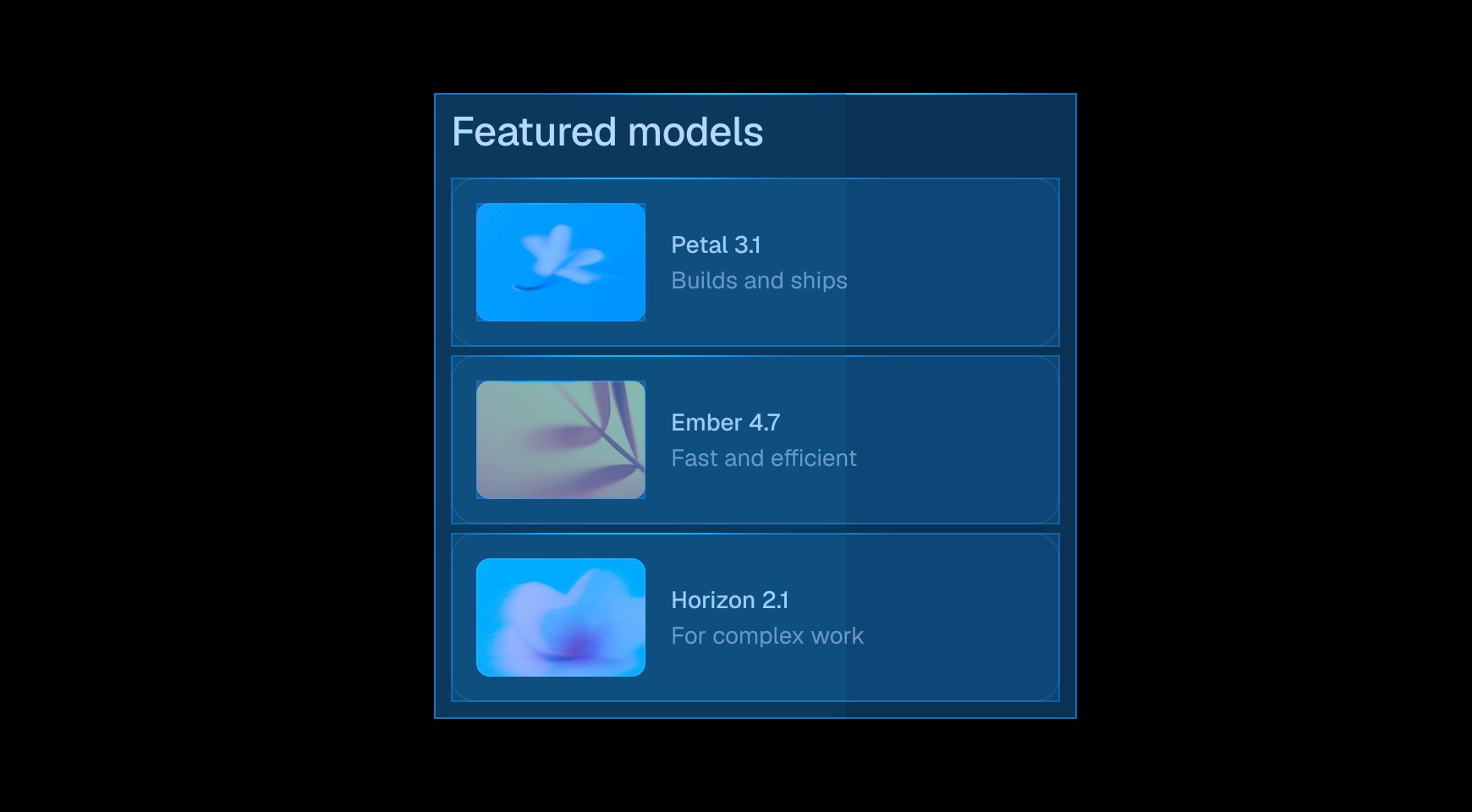

ChatGPT can help draft concepts and copy. Framer keeps AI-assisted website work on the canvas, where teams can refine layout, interactions, and responsive behavior.




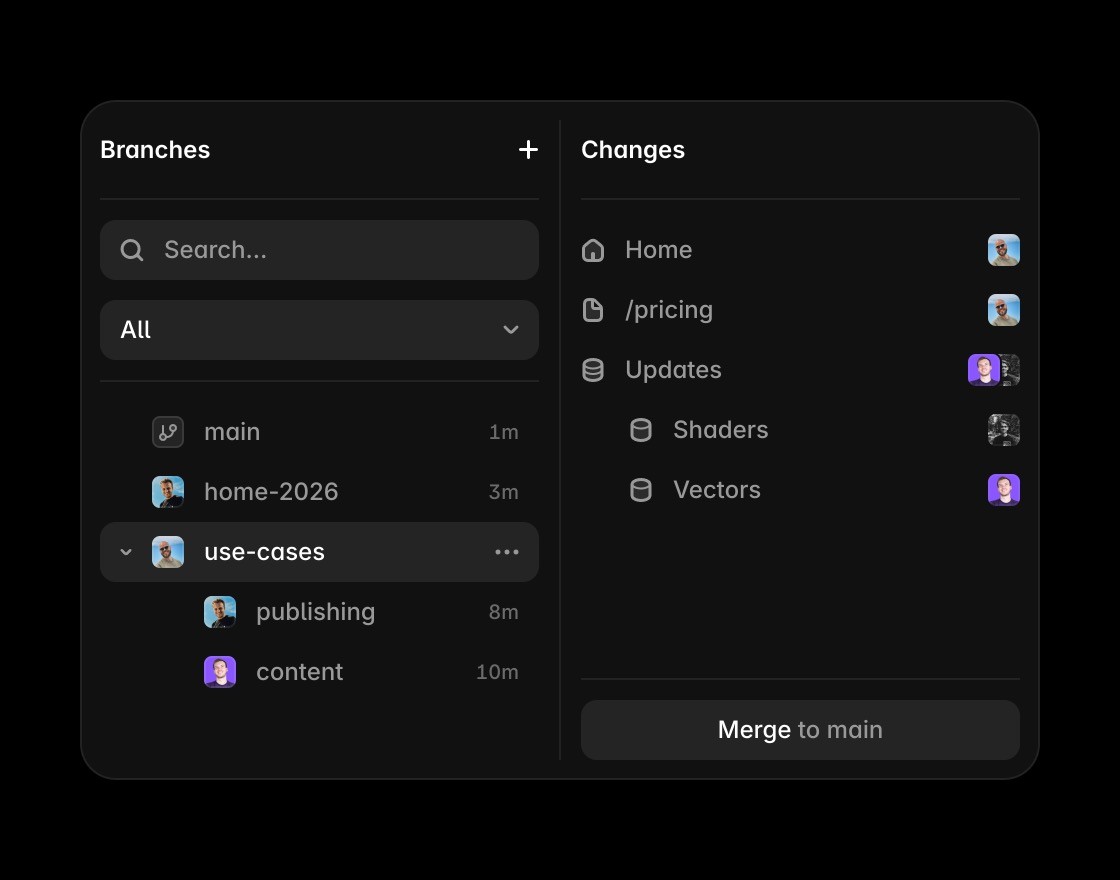
Teams can create branches, review changes, and publish website updates without coordinating a separate handoff for every page.

Framer keeps CMS, copy, layout, and SEO work on the page, giving design and marketing teams a direct way to maintain the site.


Reusable components keep common website patterns consistent while Framer Agents and the canvas preserve visual control.
Build visually without website handoffs
Framer Agents work on actual site pages while keeping AI changes editable on the canvas instead of only in code.
External Agents connect tools like Codex directly to Framer, so you can work across both. ChatGPT can help with writing, research, and developing ideas.
Use the canvas when a ChatGPT draft needs visual refinement, responsive layout control, and team editing.
Framer CMS turns ChatGPT-assisted copy into landing pages, comparisons, and content hubs that teams can manage.
Framer keeps metadata, headings, FAQs, and answer-ready copy in the same workflow used to edit the page.
Framer turns ChatGPT-assisted ideas into a hosted, publishable update without adding a separate website deployment workflow.
Why teams choose Framer over ChatGPT








Compare Framer with other tools














Frequently asked questions
Is Framer better than ChatGPT for building websites?
Yes. Framer is the stronger choice when the goal is a website your team can design, manage, and publish. ChatGPT is useful for research, writing, and early exploration; Framer adds the editable canvas, CMS, responsive design, SEO, hosting, and publishing needed to run the site.
Can I use ChatGPT with Framer?
Yes. ChatGPT can support writing, research, and early concepts alongside Framer. For direct project work, Framer supports Codex in ChatGPT as an External Agent with approved project access. Framer remains the place where the team manages and publishes the website.
What does Framer add beyond ChatGPT?
Framer adds a website production environment: an editable visual canvas, responsive controls, CMS, components, SEO tools, hosting, and publishing. ChatGPT Canvas can refine writing and code; Framer gives that work a live, maintainable home.
Is Framer useful for ChatGPT-assisted content teams?
Yes. Framer is built for teams that need AI-assisted content to live inside an on-brand website. Marketers can update CMS fields and metadata, designers can review layouts, and teams can publish from the same platform. That gives content teams more control after the first draft.
How does Framer handle SEO and publishing for AI-built websites?
Framer combines advanced SEO controls and publishing in one website workflow. Teams can manage titles, descriptions, headings, social previews, redirects, performance, and structured content, then review and publish updates from Framer. Agents can flag SEO gaps in context before the page goes live.
When should I choose Framer instead of ChatGPT?
Choose Framer when the deliverable is a website that needs ongoing design, CMS, SEO, review, and publishing. Choose ChatGPT when the immediate task is research, drafting, or problem-solving. For most marketing-site teams, Framer should be the system of record for the live website.
