15 small business website examples for design inspiration

0 min read

Share

Share

A good small business website should pack a lot into one scroll. It should include a distinct service promise, memorable brand identity, clear product pages, and often your business origin story.

Building a great website doesn’t require a big budget, either. While the average SMB owner spends $2k-$10k launching their website, you can make something that’s equal parts visually magnetic, functional, and user-friendly, plus rich with commercial and conversion elements. All for a fraction of that price. You just have to know what to prioritize.

This guide delivers 15 examples of excellent small business website designs. Each demonstrates one—if not several—ways to create a compelling online experience for your small business’ customers, their loyalty and their sales.

15 small business website examples

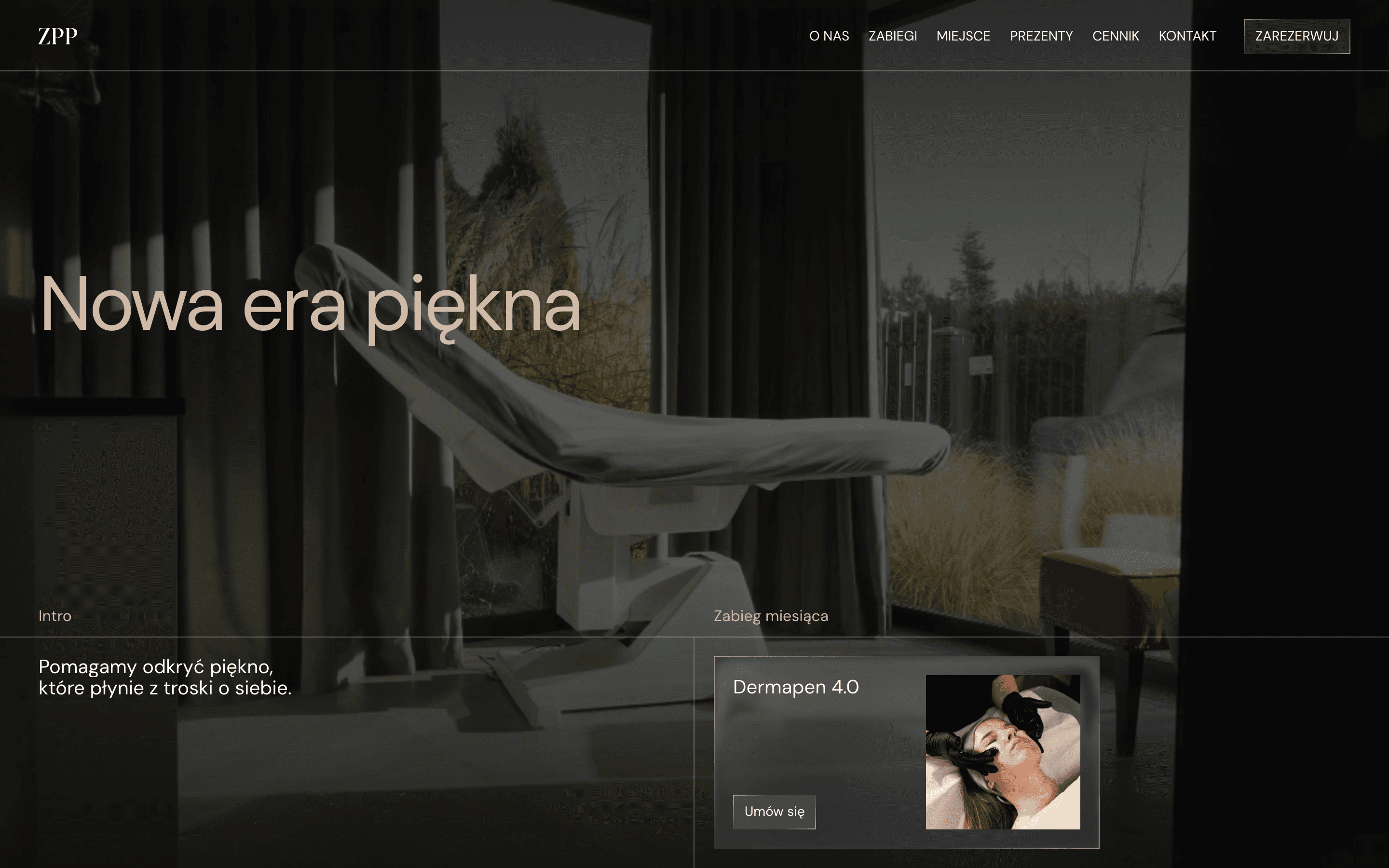
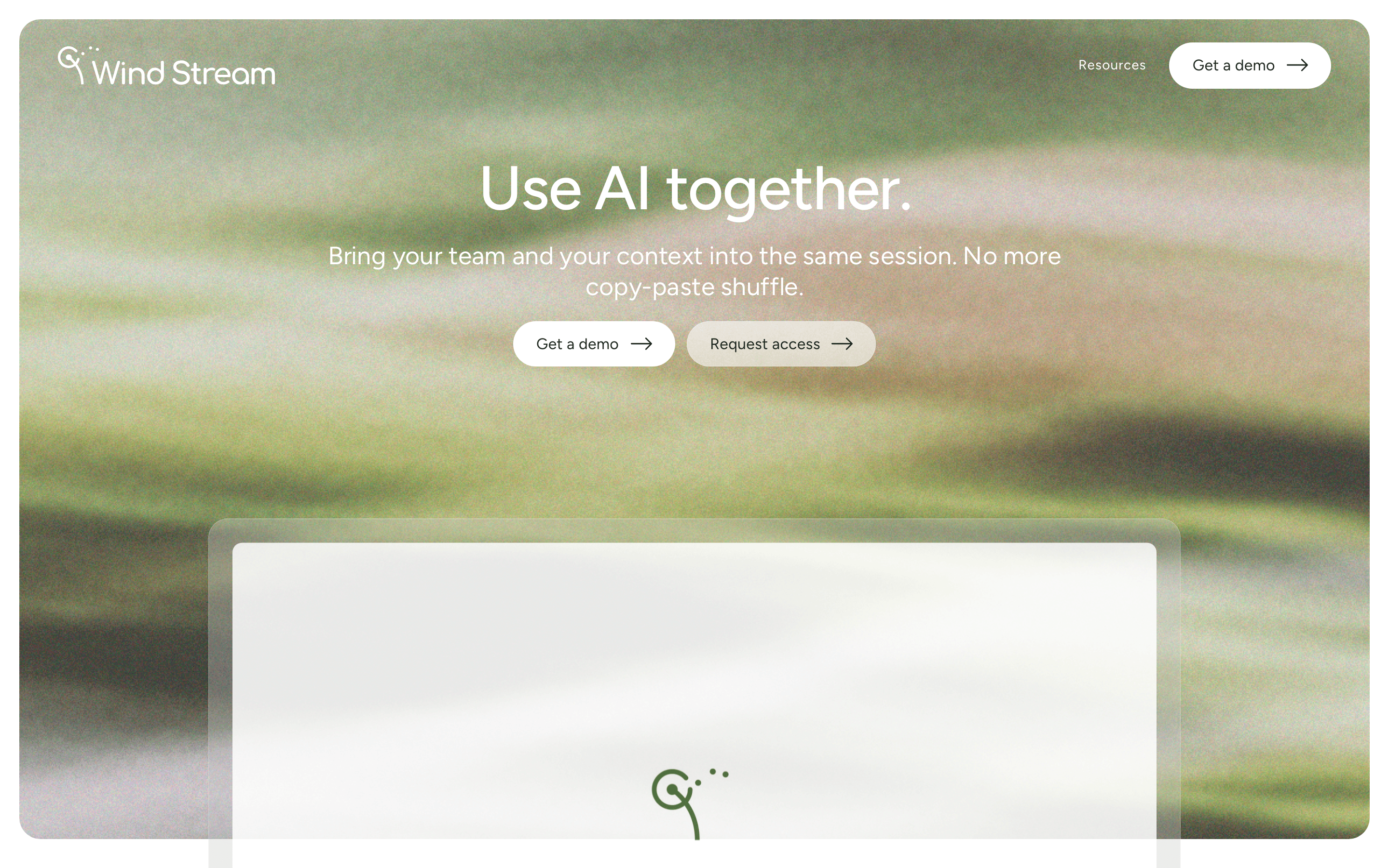
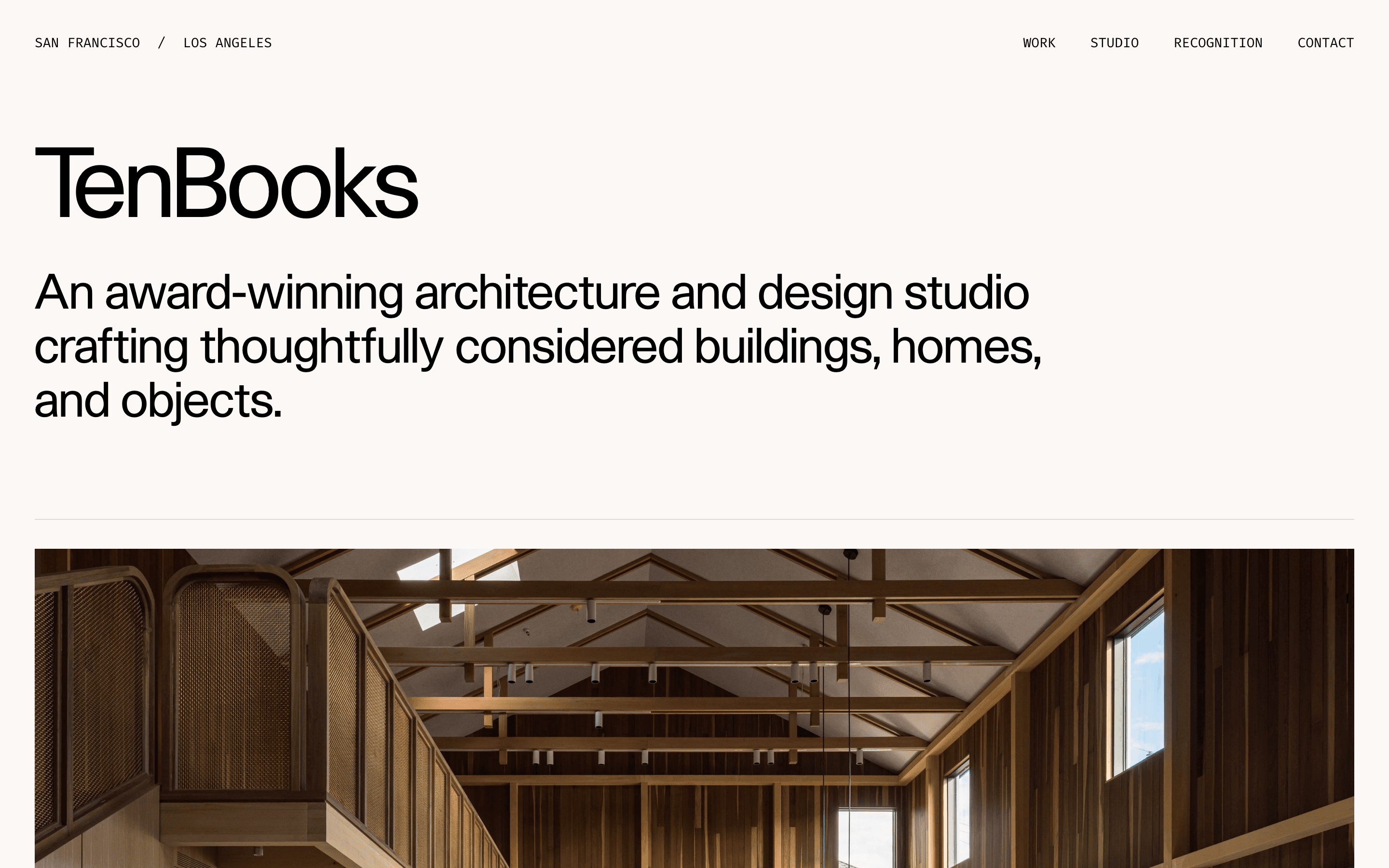
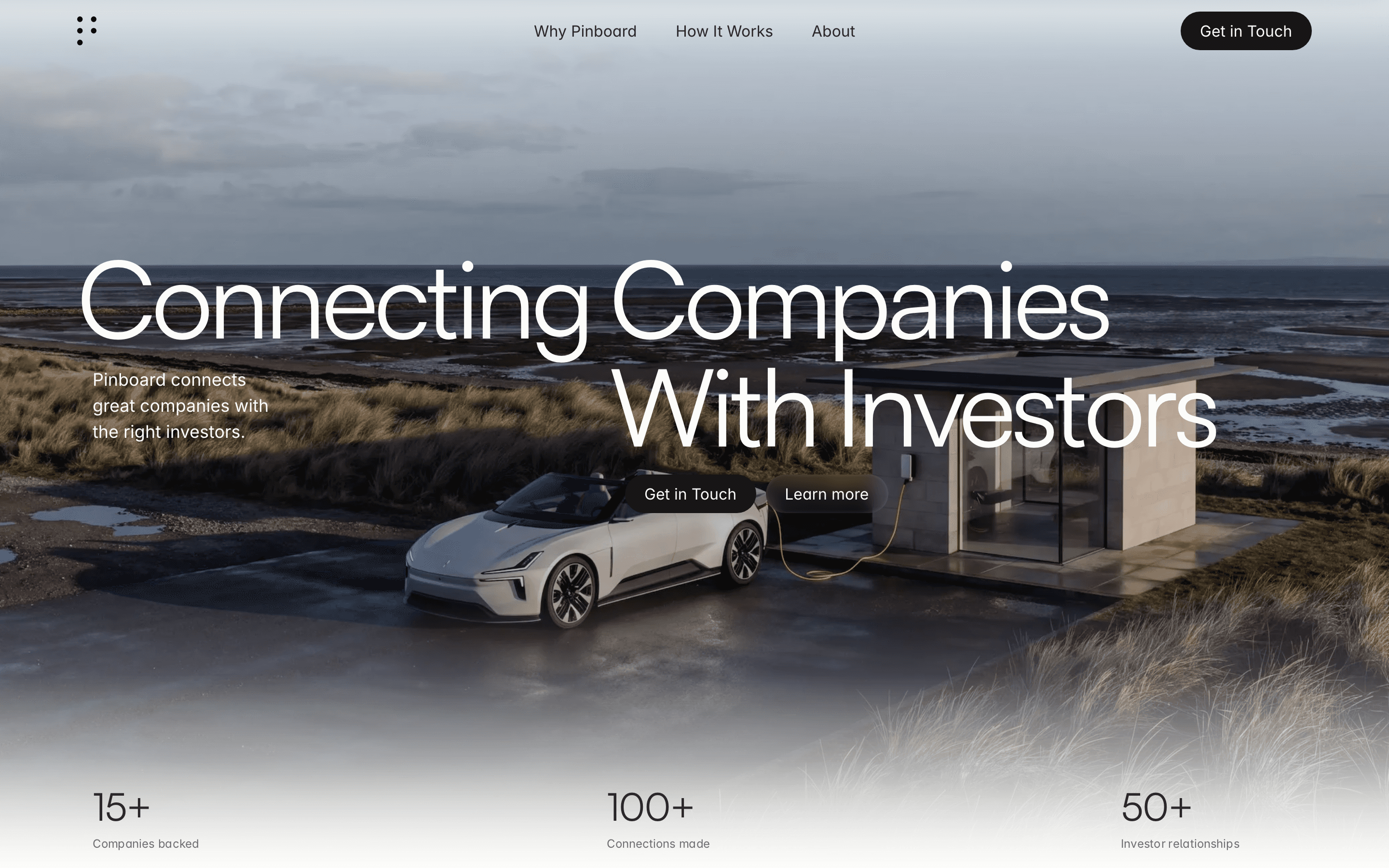
It’s one thing to talk about great web design in theory. It’s another to see it in action. These 15 examples of great small business websites come from the Framer’s Gallery and Marketplace. All are templates serving as working examples of how you can balance brand personality, functionality, and conversion-focused design in one go.

Live small business websites

1. The1

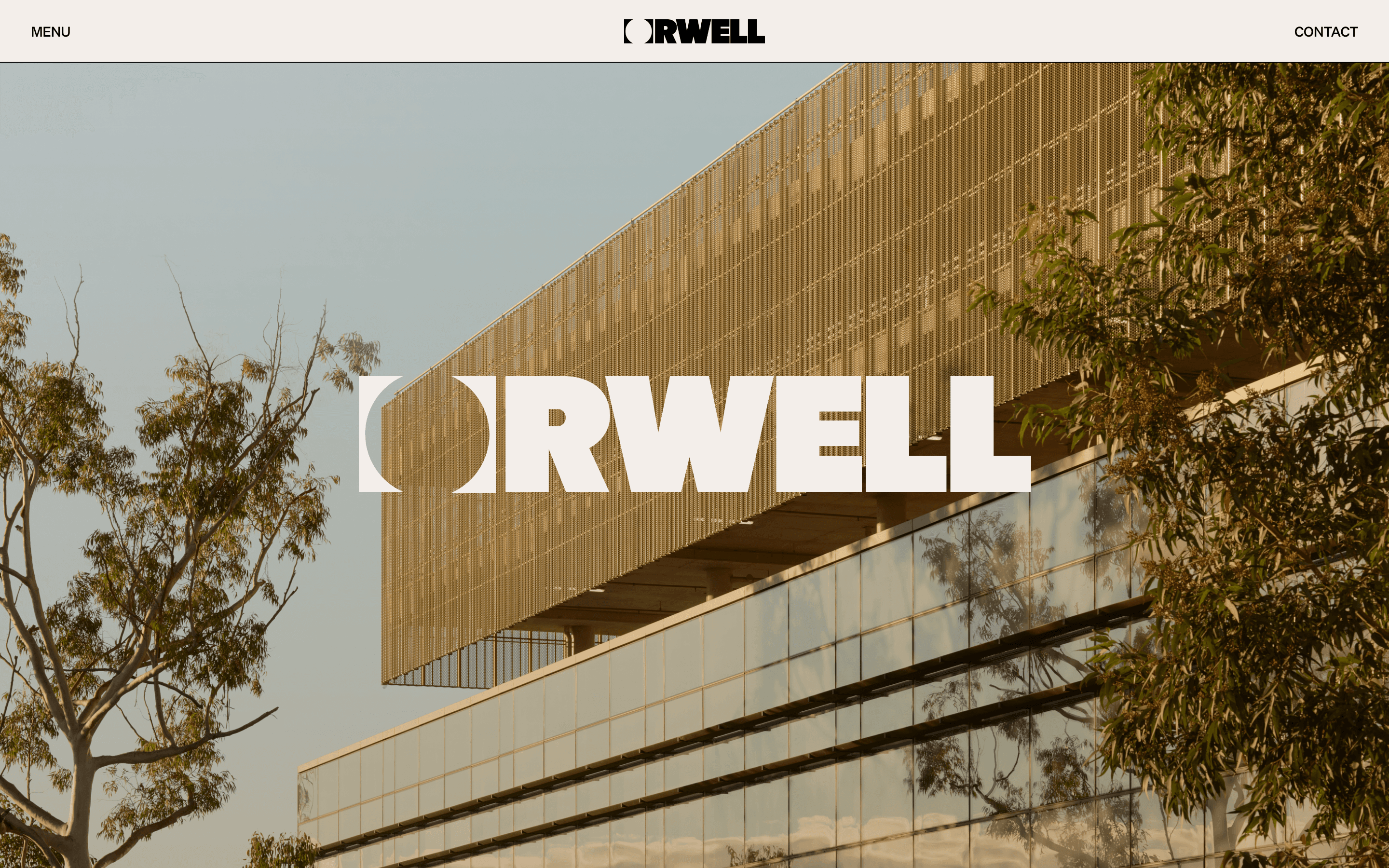
The moment you load its homepage, you can see how The1 leans into design minimalism and architectural elements to convey its industry-relevant brand identity. The clean grid-based layout also makes it easy for you to spot its properties and click-through for more details.

Like The1’s site, you should aim for bold imagery up front (hero shots that tell stories), a strong use of negative space so sections don’t overwhelm, and navigation that flows through the design. The way The1 uses scale—a prominent hero image bleeding into smaller supporting sections—helps guide eyes naturally to what matters: services and CTA buttons.

2. Deleito

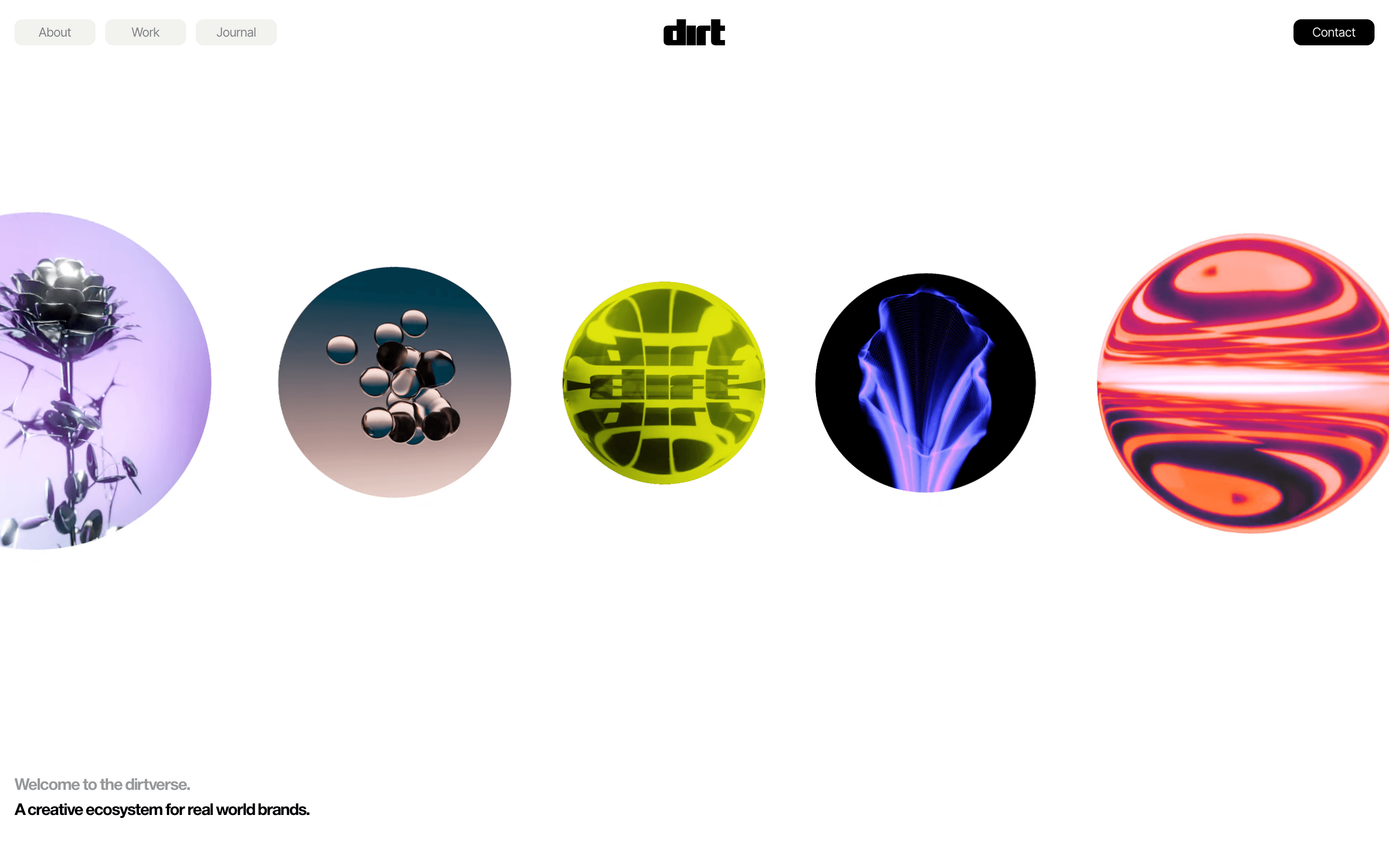
Deleito plays with color palette, contrast, and animations in unexpected ways. The site breaks from the standard block-by-block service cards by mixing layered visuals and overlapping shapes, which gives you creative flair without sacrificing business information readability.

It proves designing a small business website doesn’t mean playing it safe. All of its thoughtful layering, including pop-ups that feel purposeful versus distracting, brings instant personality to your pages.

3. Biograph

Biograph’s site design feels as luxurious yet practical as its services. It keeps typography as its lead actor, text-based hierarchy (headers, subheaders, and key body copy) shapes the way your eyes move down its page.

Use Biograph when you want your business’ website to have a similar rhythm based around conveying important information. It’s great for professional services and B2B small business niches where clear, above-the-fold messaging must hook visitors.

4. Strange Wolf Studios

Strange Wolf embraces high-contrast visuals and oversized headers to project boldness. Animations add just enough motion to for the homepage to feel alive without overwhelming the business content itself.

Its structure is direct: You know who they are, what they do, and how to get in touch as a potential client within seconds, which is exactly what small businesses need. It’s a great website to pull from if you run an online store or an e-commerce websites, teasing your core product lines first thing.

5. Ecomflow

True to its business name, the international logistics firm Ecomflow built a website that’s polished, corporate, and conversion-oriented. The homepage funnels you straight to service pages featuring real customer case studies, both excellent elements to weave across your SMB site. Because showing results is better than telling, especially for technical businesses.

Clear calls to action across every page section drive demo bookings, while its straightforward grid and consistent iconography make even its denser, more technical information feel approachable.

6. Coding for Designers

Coding for Designers shows how a niche service can feel engaging and professional. Accent colors highlight sections against a simple background, and the tone of the copy is approachable, lowering barriers for beginners.

Coding for Designers’ navigation is stripped back to essentials, letting you focus on learning pathways (e.g. its webinars) rather than wandering pages, building trust with every design element.

7. Plusdrie

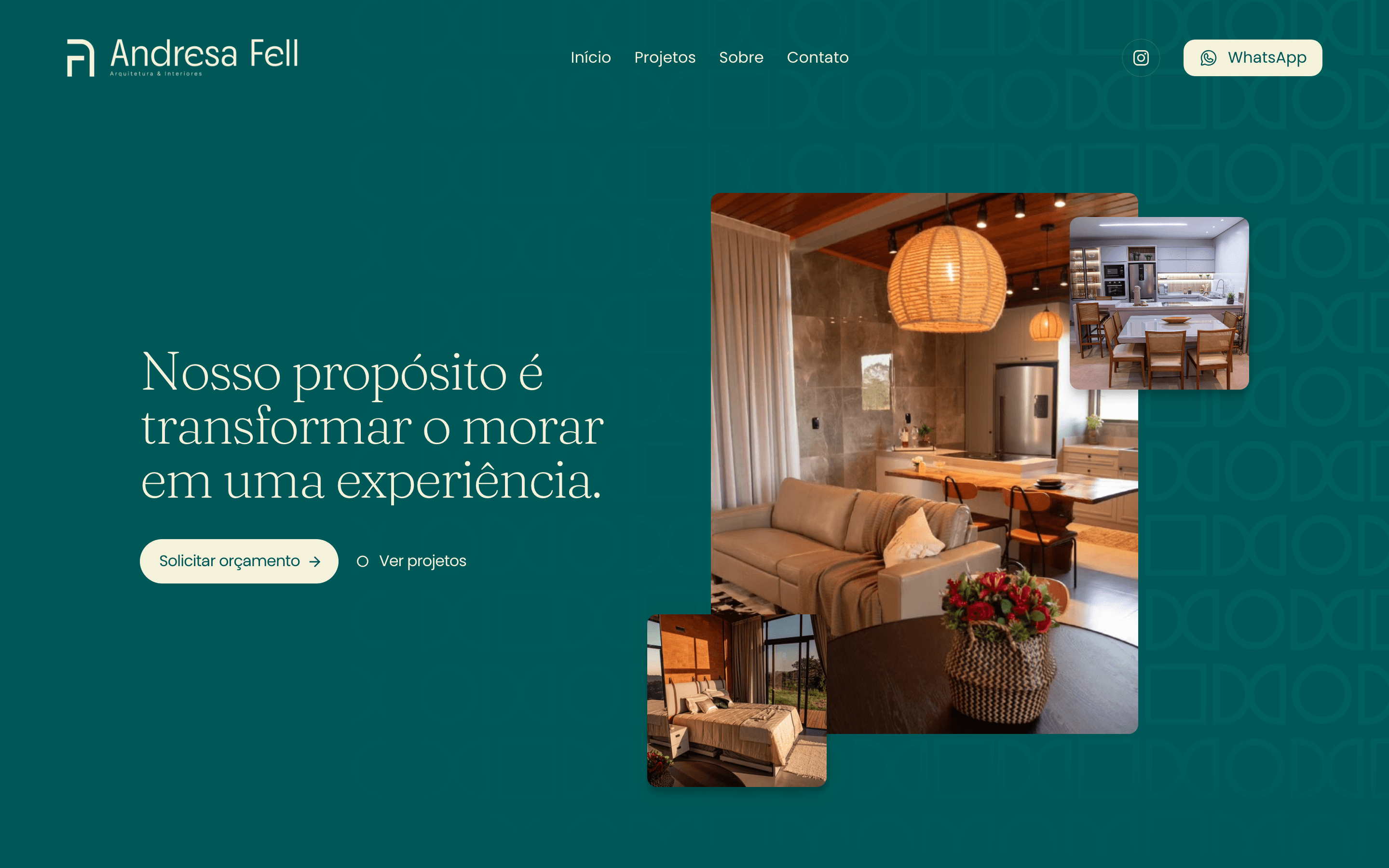
Plusdrie uses big imagery and spacious whitespace to create an immersive online store. Its restrained typography and calm color palette is warm and inviting, while the subtle scroll animations add some surprises as you scroll through the boutique studio’s pages. It’s a reminder that less can feel more premium when every detail is intentional and given room to breathe.

8. vmador™

vmador feels like a modern business card uploaded online—and one of the most original website designs in the Framer Gallery. Loud personal branding is its design focus. Its homepage hits you with sticker-style portrait images that, once click, take you to individual portfolio pages.

Its centrally located top navigation bar helps balance out the expressive visuals, plus a responsive design ensure everything loads fast and smooth. Start here if you aren’t afraid to get loud with your brand identity.

9. Eleveight Studio

Eleveight leans into bold, almost cinematic slider visuals as the core of its website features. But it’s creative without being chaotic: slider transitions are smooth, content is concise and evenly formatted, and there’s always a CTA nearby. This balance of artistry and clarity makes it a strong model for creatives’ professional websites, or for online stores where product pages need to come with decent amounts of text description.

10. Acctual

Acctual’s website has it all, demonstrating how the classic grid-driven layout can still feel distinct when you layer in strong UX-minded search filters. Its use of color pops and carefully chosen accent images injects personality to the design, without losing the professionalism a finance site needs.

The flow is tight and logical as well—intro, services, proof points, business contact info, even social media links make it easy for you to go from a curious viewer to a converted one.

Small business website templates

11. Perso

Best for: Startups, solopreneurs, and professional services websites.

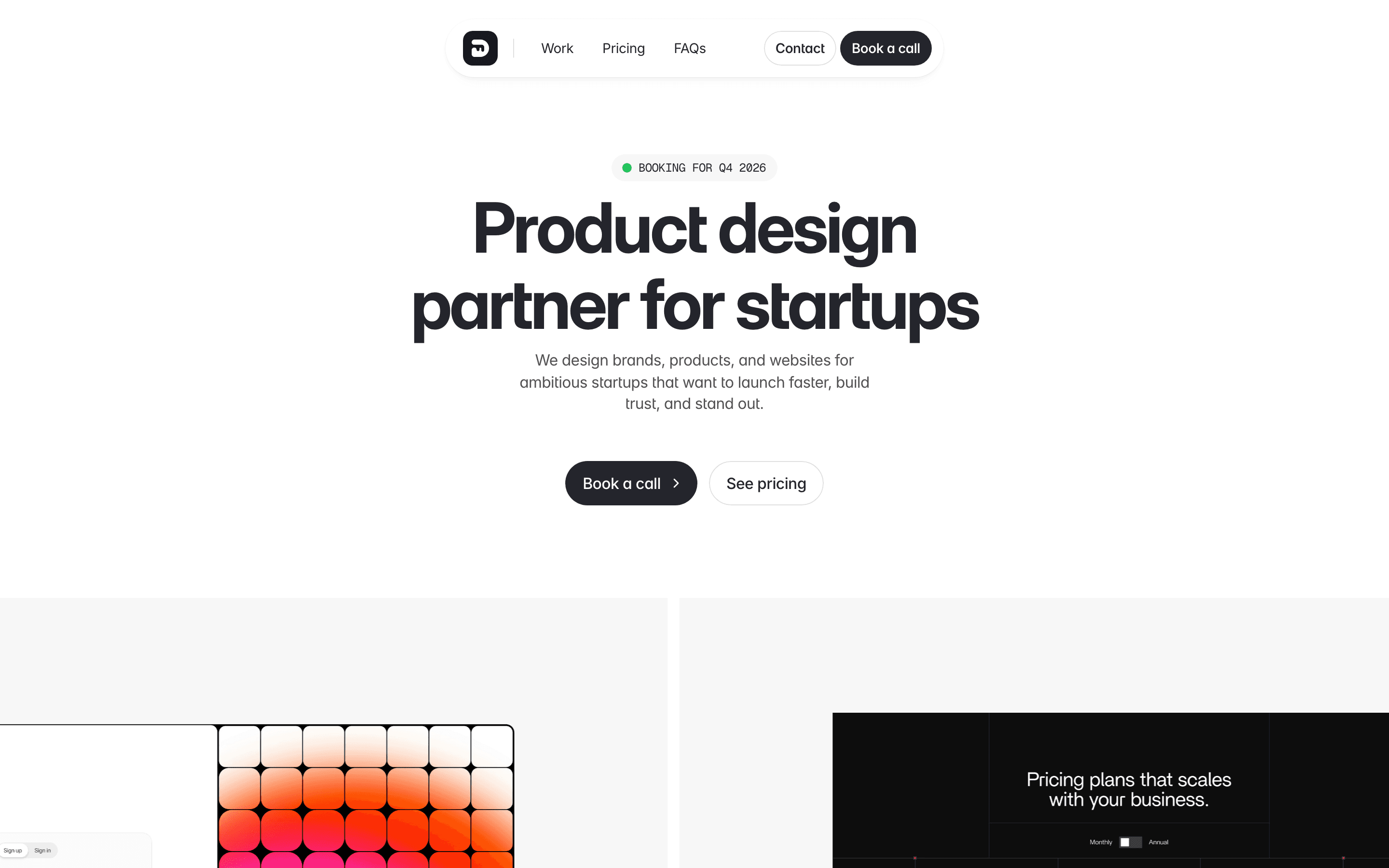
A dark, sleek canvas great for a wide range of small business niches, Perso prioritizes your visuals without distractions. Animations are subtle but purposeful, and layouts are fully responsive and SEO-ready.

  • Design takeaway: Dark themes focus attention on your work while signaling premium quality—perfect for portfolios that need to impress visitors within a few seconds. It gives your website a modern feel that stands apart.

12. Lumin Studio

Best for: Creative fields, agencies, and studios, and tech startups.

Lumin Studio gives agencies an 11-page, feature-rich template with CMS integration and optimized performance. It includes sections for portfolios, services, and client stories, letting you scale content as your business grows.

  • Design insight: Prioritize a CMS-backed multi-page template, which simplifies growing your businesses’ online presence. You can add case studies, photo and video galleries, or blogs without breaking its design flow.

13. Cowork

Best for: Service-based industries, hospitality, and real estate.

This minimalist template may have come designed initially for coworking spaces and shared offices. But its applications go way past that niche if you have the right eye. With a minimalist but modern layout emphasizing key information alongside generous places to feature photos, it’s as eye-catching as it is communicative.

  • Design takeaway: Minimalist web designs with lots of whitespace work especially well for service-based businesses. It brings clarity and a clear visual hierarchy, focusing your potential client’s attention on essential info like pricing and amenities.

14. Product Hub

Best for: E-commerce, online stores, Shopify integration

A free, polished Framer template with essential pages all geared toward product promotion, CRM, and sales. Product Hub proves you can launch an e-commerce websites on a lean budget that doesn’t feel lean. The user-friendly interface with a marketplace-mimicking design are a thoughtful package.

  • Design insight: Lean budgets don’t have to mean barebones; focus on strong content and high-res images within a solid, clean structure. Your product pages have to do the real work—use CTA buttons and page language to drive traffic there.

15. Curely

A specialized template for healthcare businesses and other professional services, Curely is all about enhancing credibility and building trust. It carries a clean and calming color palette plus an industry-specific service layout optimized for patients to find information and book appointments.

  • Design insight: Industry-specific design doesn’t need flashy animations and bold branding. It needs design elements to come together around credibility. Focus on clean layouts and ways to guide users toward testimonials and patient content. Clarity and calmness outperform flashiness.

Why good website design matters for your small business

A website’s design is fundamental to how potential customers perceive and interact with your business. Smart design influences engagement, yes, but also emotions, memorability, and ultimately, that all-important transaction.

Builds trust instantly

Site visitors typically take less than 10 seconds to form an impression about your business. A clean, organized layout with 1-3 visual signatures (color scheme, typography, animations, scroll motions, sliders, etc.) signals reliability and makes visitors more likely to scroll deeper.

Improves SEO and search engine visibility

Performance, responsiveness, localized and industry-specific SEO, and visual stability all factor into search rankings. A well-optimized site increases organic traffic without extra marketing spend, which is pivotal for small businesses.

Reduces bounce and boosts engagement

Clear information architecture and fast load times keep visitors exploring. Plus, reducing cognitive load encourages clicks, sign-ups, and repeat visits.

Enhances mobile experiences

A responsive site ensures your small business looks polished on any device. Mobile-first design keeps interactions seamless and supports Google’s mobile-first indexing.

Drives conversions

Strategic CTA buttons with meaningful, persuasive language and intuitive flows make it easy for users to take action, whether contacting you or completing a purchase. Every design decision must remove friction. Get them straight to your sales or product pages.

Supports long-term brand growth

Consistency in fonts, colors, and layouts reinforces your business’ fingerprint. A strong visual system across your site builds recognition and can actually move visitors, all of which increases trust, brand loyalty, and sales.

Build a website for your small business in Framer

Framer combines design freedom with production-ready functionality, giving you control over visuals and user experience without any coding. It’s built for small business owners who want a knockout professional presence without the technical headaches.

  • No-code website builder: Drag-and-drop your way to a custom site, mirroring a design tool workflow.

  • Professional templates only: Start from industry-specific templates that are high quality, fully functional, and come with hundreds of customizable.

  • Built-in optimization: Automatic image compression, code minification, CDN delivery for fast load times, and so much more—all the backend web development is built-in for you.

  • Responsive by default: Mobile-first layouts adapt automatically, with tweaks for desktop and tablet.

  • SEO & analytics tools: Control meta data, track traffic, use digital marketing tools, and optimize performance all within your website’s dashboard.

Get started building your own website with Framer Marketplace

Framer’s Marketplace gives you a head start with templates designed entirely around real small business needs, both for today and what comes next.

Browse the Framer Marketplace to find examples to inspire your next project and get your small business website up and running with confidence.

Building a great website doesn’t require a big budget, either. While the average SMB owner spends $2k-$10k launching their website, you can make something that’s equal parts visually magnetic, functional, and user-friendly, plus rich with commercial and conversion elements. All for a fraction of that price. You just have to know what to prioritize.

This guide delivers 15 examples of excellent small business website designs. Each demonstrates one—if not several—ways to create a compelling online experience for your small business’ customers, their loyalty and their sales.

15 small business website examples

It’s one thing to talk about great web design in theory. It’s another to see it in action. These 15 examples of great small business websites come from the Framer’s Gallery and Marketplace. All are templates serving as working examples of how you can balance brand personality, functionality, and conversion-focused design in one go.

Live small business websites

1. The1

The moment you load its homepage, you can see how The1 leans into design minimalism and architectural elements to convey its industry-relevant brand identity. The clean grid-based layout also makes it easy for you to spot its properties and click-through for more details.

Like The1’s site, you should aim for bold imagery up front (hero shots that tell stories), a strong use of negative space so sections don’t overwhelm, and navigation that flows through the design. The way The1 uses scale—a prominent hero image bleeding into smaller supporting sections—helps guide eyes naturally to what matters: services and CTA buttons.

2. Deleito

Deleito plays with color palette, contrast, and animations in unexpected ways. The site breaks from the standard block-by-block service cards by mixing layered visuals and overlapping shapes, which gives you creative flair without sacrificing business information readability.

It proves designing a small business website doesn’t mean playing it safe. All of its thoughtful layering, including pop-ups that feel purposeful versus distracting, brings instant personality to your pages.

3. Biograph

Biograph’s site design feels as luxurious yet practical as its services. It keeps typography as its lead actor, text-based hierarchy (headers, subheaders, and key body copy) shapes the way your eyes move down its page.

Use Biograph when you want your business’ website to have a similar rhythm based around conveying important information. It’s great for professional services and B2B small business niches where clear, above-the-fold messaging must hook visitors.

4. Strange Wolf Studios

Strange Wolf embraces high-contrast visuals and oversized headers to project boldness. Animations add just enough motion to for the homepage to feel alive without overwhelming the business content itself.

Its structure is direct: You know who they are, what they do, and how to get in touch as a potential client within seconds, which is exactly what small businesses need. It’s a great website to pull from if you run an online store or an e-commerce websites, teasing your core product lines first thing.

5. Ecomflow

True to its business name, the international logistics firm Ecomflow built a website that’s polished, corporate, and conversion-oriented. The homepage funnels you straight to service pages featuring real customer case studies, both excellent elements to weave across your SMB site. Because showing results is better than telling, especially for technical businesses.

Clear calls to action across every page section drive demo bookings, while its straightforward grid and consistent iconography make even its denser, more technical information feel approachable.

6. Coding for Designers

Coding for Designers shows how a niche service can feel engaging and professional. Accent colors highlight sections against a simple background, and the tone of the copy is approachable, lowering barriers for beginners.

Coding for Designers’ navigation is stripped back to essentials, letting you focus on learning pathways (e.g. its webinars) rather than wandering pages, building trust with every design element.

7. Plusdrie

Plusdrie uses big imagery and spacious whitespace to create an immersive online store. Its restrained typography and calm color palette is warm and inviting, while the subtle scroll animations add some surprises as you scroll through the boutique studio’s pages. It’s a reminder that less can feel more premium when every detail is intentional and given room to breathe.

8. vmador™

vmador feels like a modern business card uploaded online—and one of the most original website designs in the Framer Gallery. Loud personal branding is its design focus. Its homepage hits you with sticker-style portrait images that, once click, take you to individual portfolio pages.

Its centrally located top navigation bar helps balance out the expressive visuals, plus a responsive design ensure everything loads fast and smooth. Start here if you aren’t afraid to get loud with your brand identity.

9. Eleveight Studio

Eleveight leans into bold, almost cinematic slider visuals as the core of its website features. But it’s creative without being chaotic: slider transitions are smooth, content is concise and evenly formatted, and there’s always a CTA nearby. This balance of artistry and clarity makes it a strong model for creatives’ professional websites, or for online stores where product pages need to come with decent amounts of text description.

10. Acctual

Acctual’s website has it all, demonstrating how the classic grid-driven layout can still feel distinct when you layer in strong UX-minded search filters. Its use of color pops and carefully chosen accent images injects personality to the design, without losing the professionalism a finance site needs.

The flow is tight and logical as well—intro, services, proof points, business contact info, even social media links make it easy for you to go from a curious viewer to a converted one.

Small business website templates

11. Perso

Best for: Startups, solopreneurs, and professional services websites.

A dark, sleek canvas great for a wide range of small business niches, Perso prioritizes your visuals without distractions. Animations are subtle but purposeful, and layouts are fully responsive and SEO-ready.

  • Design takeaway: Dark themes focus attention on your work while signaling premium quality—perfect for portfolios that need to impress visitors within a few seconds. It gives your website a modern feel that stands apart.

12. Lumin Studio

Best for: Creative fields, agencies, and studios, and tech startups.

Lumin Studio gives agencies an 11-page, feature-rich template with CMS integration and optimized performance. It includes sections for portfolios, services, and client stories, letting you scale content as your business grows.

  • Design insight: Prioritize a CMS-backed multi-page template, which simplifies growing your businesses’ online presence. You can add case studies, photo and video galleries, or blogs without breaking its design flow.

13. Cowork

Best for: Service-based industries, hospitality, and real estate.

This minimalist template may have come designed initially for coworking spaces and shared offices. But its applications go way past that niche if you have the right eye. With a minimalist but modern layout emphasizing key information alongside generous places to feature photos, it’s as eye-catching as it is communicative.

  • Design takeaway: Minimalist web designs with lots of whitespace work especially well for service-based businesses. It brings clarity and a clear visual hierarchy, focusing your potential client’s attention on essential info like pricing and amenities.

14. Product Hub

Best for: E-commerce, online stores, Shopify integration

A free, polished Framer template with essential pages all geared toward product promotion, CRM, and sales. Product Hub proves you can launch an e-commerce websites on a lean budget that doesn’t feel lean. The user-friendly interface with a marketplace-mimicking design are a thoughtful package.

  • Design insight: Lean budgets don’t have to mean barebones; focus on strong content and high-res images within a solid, clean structure. Your product pages have to do the real work—use CTA buttons and page language to drive traffic there.

15. Curely

A specialized template for healthcare businesses and other professional services, Curely is all about enhancing credibility and building trust. It carries a clean and calming color palette plus an industry-specific service layout optimized for patients to find information and book appointments.

  • Design insight: Industry-specific design doesn’t need flashy animations and bold branding. It needs design elements to come together around credibility. Focus on clean layouts and ways to guide users toward testimonials and patient content. Clarity and calmness outperform flashiness.

Why good website design matters for your small business

A website’s design is fundamental to how potential customers perceive and interact with your business. Smart design influences engagement, yes, but also emotions, memorability, and ultimately, that all-important transaction.

Builds trust instantly

Site visitors typically take less than 10 seconds to form an impression about your business. A clean, organized layout with 1-3 visual signatures (color scheme, typography, animations, scroll motions, sliders, etc.) signals reliability and makes visitors more likely to scroll deeper.

Improves SEO and search engine visibility

Performance, responsiveness, localized and industry-specific SEO, and visual stability all factor into search rankings. A well-optimized site increases organic traffic without extra marketing spend, which is pivotal for small businesses.

Reduces bounce and boosts engagement

Clear information architecture and fast load times keep visitors exploring. Plus, reducing cognitive load encourages clicks, sign-ups, and repeat visits.

Enhances mobile experiences

A responsive site ensures your small business looks polished on any device. Mobile-first design keeps interactions seamless and supports Google’s mobile-first indexing.

Drives conversions

Strategic CTA buttons with meaningful, persuasive language and intuitive flows make it easy for users to take action, whether contacting you or completing a purchase. Every design decision must remove friction. Get them straight to your sales or product pages.

Supports long-term brand growth

Consistency in fonts, colors, and layouts reinforces your business’ fingerprint. A strong visual system across your site builds recognition and can actually move visitors, all of which increases trust, brand loyalty, and sales.

Build a website for your small business in Framer

Framer combines design freedom with production-ready functionality, giving you control over visuals and user experience without any coding. It’s built for small business owners who want a knockout professional presence without the technical headaches.

  • No-code website builder: Drag-and-drop your way to a custom site, mirroring a design tool workflow.

  • Professional templates only: Start from industry-specific templates that are high quality, fully functional, and come with hundreds of customizable.

  • Built-in optimization: Automatic image compression, code minification, CDN delivery for fast load times, and so much more—all the backend web development is built-in for you.

  • Responsive by default: Mobile-first layouts adapt automatically, with tweaks for desktop and tablet.

  • SEO & analytics tools: Control meta data, track traffic, use digital marketing tools, and optimize performance all within your website’s dashboard.

Get started building your own website with Framer Marketplace

Framer’s Marketplace gives you a head start with templates designed entirely around real small business needs, both for today and what comes next.

Browse the Framer Marketplace to find examples to inspire your next project and get your small business website up and running with confidence.

Building a great website doesn’t require a big budget, either. While the average SMB owner spends $2k-$10k launching their website, you can make something that’s equal parts visually magnetic, functional, and user-friendly, plus rich with commercial and conversion elements. All for a fraction of that price. You just have to know what to prioritize.

This guide delivers 15 examples of excellent small business website designs. Each demonstrates one—if not several—ways to create a compelling online experience for your small business’ customers, their loyalty and their sales.

15 small business website examples

It’s one thing to talk about great web design in theory. It’s another to see it in action. These 15 examples of great small business websites come from the Framer’s Gallery and Marketplace. All are templates serving as working examples of how you can balance brand personality, functionality, and conversion-focused design in one go.

Live small business websites

1. The1

The moment you load its homepage, you can see how The1 leans into design minimalism and architectural elements to convey its industry-relevant brand identity. The clean grid-based layout also makes it easy for you to spot its properties and click-through for more details.

Like The1’s site, you should aim for bold imagery up front (hero shots that tell stories), a strong use of negative space so sections don’t overwhelm, and navigation that flows through the design. The way The1 uses scale—a prominent hero image bleeding into smaller supporting sections—helps guide eyes naturally to what matters: services and CTA buttons.

2. Deleito

Deleito plays with color palette, contrast, and animations in unexpected ways. The site breaks from the standard block-by-block service cards by mixing layered visuals and overlapping shapes, which gives you creative flair without sacrificing business information readability.

It proves designing a small business website doesn’t mean playing it safe. All of its thoughtful layering, including pop-ups that feel purposeful versus distracting, brings instant personality to your pages.

3. Biograph

Biograph’s site design feels as luxurious yet practical as its services. It keeps typography as its lead actor, text-based hierarchy (headers, subheaders, and key body copy) shapes the way your eyes move down its page.

Use Biograph when you want your business’ website to have a similar rhythm based around conveying important information. It’s great for professional services and B2B small business niches where clear, above-the-fold messaging must hook visitors.

4. Strange Wolf Studios

Strange Wolf embraces high-contrast visuals and oversized headers to project boldness. Animations add just enough motion to for the homepage to feel alive without overwhelming the business content itself.

Its structure is direct: You know who they are, what they do, and how to get in touch as a potential client within seconds, which is exactly what small businesses need. It’s a great website to pull from if you run an online store or an e-commerce websites, teasing your core product lines first thing.

5. Ecomflow

True to its business name, the international logistics firm Ecomflow built a website that’s polished, corporate, and conversion-oriented. The homepage funnels you straight to service pages featuring real customer case studies, both excellent elements to weave across your SMB site. Because showing results is better than telling, especially for technical businesses.

Clear calls to action across every page section drive demo bookings, while its straightforward grid and consistent iconography make even its denser, more technical information feel approachable.

6. Coding for Designers

Coding for Designers shows how a niche service can feel engaging and professional. Accent colors highlight sections against a simple background, and the tone of the copy is approachable, lowering barriers for beginners.

Coding for Designers’ navigation is stripped back to essentials, letting you focus on learning pathways (e.g. its webinars) rather than wandering pages, building trust with every design element.

7. Plusdrie

Plusdrie uses big imagery and spacious whitespace to create an immersive online store. Its restrained typography and calm color palette is warm and inviting, while the subtle scroll animations add some surprises as you scroll through the boutique studio’s pages. It’s a reminder that less can feel more premium when every detail is intentional and given room to breathe.

8. vmador™

vmador feels like a modern business card uploaded online—and one of the most original website designs in the Framer Gallery. Loud personal branding is its design focus. Its homepage hits you with sticker-style portrait images that, once click, take you to individual portfolio pages.

Its centrally located top navigation bar helps balance out the expressive visuals, plus a responsive design ensure everything loads fast and smooth. Start here if you aren’t afraid to get loud with your brand identity.

9. Eleveight Studio

Eleveight leans into bold, almost cinematic slider visuals as the core of its website features. But it’s creative without being chaotic: slider transitions are smooth, content is concise and evenly formatted, and there’s always a CTA nearby. This balance of artistry and clarity makes it a strong model for creatives’ professional websites, or for online stores where product pages need to come with decent amounts of text description.

10. Acctual

Acctual’s website has it all, demonstrating how the classic grid-driven layout can still feel distinct when you layer in strong UX-minded search filters. Its use of color pops and carefully chosen accent images injects personality to the design, without losing the professionalism a finance site needs.

The flow is tight and logical as well—intro, services, proof points, business contact info, even social media links make it easy for you to go from a curious viewer to a converted one.

Small business website templates

11. Perso

Best for: Startups, solopreneurs, and professional services websites.

A dark, sleek canvas great for a wide range of small business niches, Perso prioritizes your visuals without distractions. Animations are subtle but purposeful, and layouts are fully responsive and SEO-ready.

  • Design takeaway: Dark themes focus attention on your work while signaling premium quality—perfect for portfolios that need to impress visitors within a few seconds. It gives your website a modern feel that stands apart.

12. Lumin Studio

Best for: Creative fields, agencies, and studios, and tech startups.

Lumin Studio gives agencies an 11-page, feature-rich template with CMS integration and optimized performance. It includes sections for portfolios, services, and client stories, letting you scale content as your business grows.

  • Design insight: Prioritize a CMS-backed multi-page template, which simplifies growing your businesses’ online presence. You can add case studies, photo and video galleries, or blogs without breaking its design flow.

13. Cowork

Best for: Service-based industries, hospitality, and real estate.

This minimalist template may have come designed initially for coworking spaces and shared offices. But its applications go way past that niche if you have the right eye. With a minimalist but modern layout emphasizing key information alongside generous places to feature photos, it’s as eye-catching as it is communicative.

  • Design takeaway: Minimalist web designs with lots of whitespace work especially well for service-based businesses. It brings clarity and a clear visual hierarchy, focusing your potential client’s attention on essential info like pricing and amenities.

14. Product Hub

Best for: E-commerce, online stores, Shopify integration

A free, polished Framer template with essential pages all geared toward product promotion, CRM, and sales. Product Hub proves you can launch an e-commerce websites on a lean budget that doesn’t feel lean. The user-friendly interface with a marketplace-mimicking design are a thoughtful package.

  • Design insight: Lean budgets don’t have to mean barebones; focus on strong content and high-res images within a solid, clean structure. Your product pages have to do the real work—use CTA buttons and page language to drive traffic there.

15. Curely

A specialized template for healthcare businesses and other professional services, Curely is all about enhancing credibility and building trust. It carries a clean and calming color palette plus an industry-specific service layout optimized for patients to find information and book appointments.

  • Design insight: Industry-specific design doesn’t need flashy animations and bold branding. It needs design elements to come together around credibility. Focus on clean layouts and ways to guide users toward testimonials and patient content. Clarity and calmness outperform flashiness.

Why good website design matters for your small business

A website’s design is fundamental to how potential customers perceive and interact with your business. Smart design influences engagement, yes, but also emotions, memorability, and ultimately, that all-important transaction.

Builds trust instantly

Site visitors typically take less than 10 seconds to form an impression about your business. A clean, organized layout with 1-3 visual signatures (color scheme, typography, animations, scroll motions, sliders, etc.) signals reliability and makes visitors more likely to scroll deeper.

Improves SEO and search engine visibility

Performance, responsiveness, localized and industry-specific SEO, and visual stability all factor into search rankings. A well-optimized site increases organic traffic without extra marketing spend, which is pivotal for small businesses.

Reduces bounce and boosts engagement

Clear information architecture and fast load times keep visitors exploring. Plus, reducing cognitive load encourages clicks, sign-ups, and repeat visits.

Enhances mobile experiences

A responsive site ensures your small business looks polished on any device. Mobile-first design keeps interactions seamless and supports Google’s mobile-first indexing.

Drives conversions

Strategic CTA buttons with meaningful, persuasive language and intuitive flows make it easy for users to take action, whether contacting you or completing a purchase. Every design decision must remove friction. Get them straight to your sales or product pages.

Supports long-term brand growth

Consistency in fonts, colors, and layouts reinforces your business’ fingerprint. A strong visual system across your site builds recognition and can actually move visitors, all of which increases trust, brand loyalty, and sales.

Build a website for your small business in Framer

Framer combines design freedom with production-ready functionality, giving you control over visuals and user experience without any coding. It’s built for small business owners who want a knockout professional presence without the technical headaches.

  • No-code website builder: Drag-and-drop your way to a custom site, mirroring a design tool workflow.

  • Professional templates only: Start from industry-specific templates that are high quality, fully functional, and come with hundreds of customizable.

  • Built-in optimization: Automatic image compression, code minification, CDN delivery for fast load times, and so much more—all the backend web development is built-in for you.

  • Responsive by default: Mobile-first layouts adapt automatically, with tweaks for desktop and tablet.

  • SEO & analytics tools: Control meta data, track traffic, use digital marketing tools, and optimize performance all within your website’s dashboard.

Get started building your own website with Framer Marketplace

Framer’s Marketplace gives you a head start with templates designed entirely around real small business needs, both for today and what comes next.

Browse the Framer Marketplace to find examples to inspire your next project and get your small business website up and running with confidence.

Design bold. Launch fast.